Anúncios
Communities are reshaping how we get our food by backing nearby production and shorter supply chains. This shift toward local food gives people fresher options and more trust in what they eat.
Many groups support practices that cut transport and improve soil health. These efforts boost the food system and make food production more resilient.
Farmers and small farms show that small-scale farming can feed people while protecting natural resources. Programs that teach new techniques help growers adopt methods that lower runoff and restore wetlands.
As communities prioritize cleaner plates, they build a sistema that uplifts producers and improves access. The sustainable agriculture work in Ohio is an example of how partnerships expand reach and deliver real benefits.
Understanding the Importance of Local Farming Sustainability
Protecting soil and managing water wisely are central to making food systems more resilient.
Anúncios
Industrial agriculture uses roughly 70% of global freshwater, so efficient water use matters. Healthy soils also play a huge role: they can store up to 5 billion metric tons of carbono each year. Together, soil and water shape how well our comida system performs.
Adopting sustainable methods lets farmers lower greenhouse gas emissions and protect biodiversity. Consumers and communities support this change by choosing practices that cut waste and preserve land.
- Integrate soil health with smart water use to keep farms productive.
- Promote methods that reduce emissions and store carbon in the land.
- Back programs that help agriculture balance food production with environmental care.
When communities invest in nearby farms, they strengthen a system that feeds people and protects natural resources for the future.
Environmental and Economic Benefits of Buying Local
Choosing produce that travels fewer miles cuts emissions and keeps nutrients fresher for longer.
Nutritional Value of Fresh Produce
Fresher food holds more vitamins because less time in transit means less nutrient loss. When fruits and vegetables move far distances, exposure to heat and storage lowers their nutritional value.
Shorter transportation also reduces the need for heavy packaging and preservatives. That supports soil-friendly methods on nearby farms and gives consumers a healthier plate.
“Cutting the distance from farm to table delivers food at peak flavor and nutrition.”
Strengthening Regional Economies
Buying from nearby farms keeps dollars circulating in the community. This supports farmers, boosts farm production, and builds resilient food systems that rely less on imports.
- Reduce the average 1,500-mile transportation distance to lower carbon emissions and improve freshness.
- Every dollar spent locally generates extra economic activity, helping small farms scale sustainable farming methods.
- Prioritizing local farms cuts dependence on the projected $215.5 billion in agricultural imports and strengthens the regional economy.
For ways to get involved, consider supporting local farmers to amplify these benefits for communities and the land.
Practical Ways to Support Sustainable Agriculture
You can help strengthen agriculture by choosing where and how you buy your food. Small steps at markets, in shared programs, and through policy make a real difference.
Shopping at Farmers Markets
Visit farmers markets to buy fresh food and back local farmers directly. These purchases reward practices that protect soil and reduce transportation.
Talking to growers also teaches consumers how food is grown. That builds trust and a stronger food system.
Joining Community Supported Agriculture Programs
CSAs give farmers steady resources through the season. This helps manage water and soil health and supports steady production.
Members share in harvests and methods, creating a closer link between farms and the community they feed.
Advocating for Policy Change
Advocate for policies that limit harmful emissions and cut waste from large-scale production. Policy change keeps small farms viable and protects biodiversity.
“When communities speak up, they protect the ways we grow and share food.”
- Buy directly from growers to lower carbon from transportation.
- Join a CSA to fund responsible methods on the farm.
- Contact representatives to support laws that reduce greenhouse gas emissions and waste.
Reclaiming Food Sovereignty in Your Community
Across cities, residents are reshaping who grows food and how it reaches plates.
The Role of Urban Agriculture
Food sovereignty—a term coined by La Vía Campesina in 1996—puts control of food systems back in the hands of people. It favors sustainable farming and community-led choices over corporate profit.
Today, four corporations control about 85% of the U.S. beef industry. That concentration drives practices that prioritize scale over soil health and fair production.
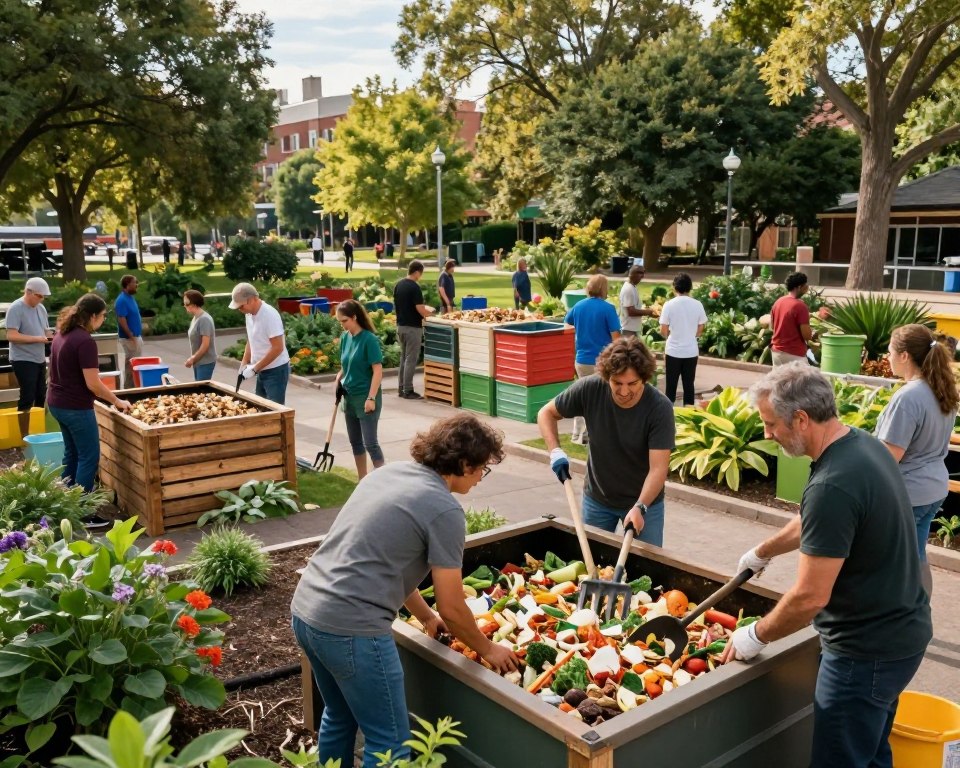
- Turn vacant lots and rooftops into productive farms to improve soil and boost food production.
- Adopt methods that cut water use and rebuild soil to capture carbon.
- Support local farmers and small farms so communities keep resources and benefits close to home.
“Reclaiming food sovereignty means managing land and resources so all people can access healthy food.”
Conclusion: Building a Resilient Future for Food
Resilience in our food supply grows when people back practices that protect land, cut carbon, and strengthen jobs.
Protecting water and soil and supporting responsible agriculture are central to strong food systems. Small choices—buying from nearby farms, joining a CSA, or supporting fair policy—add up.
When farmers, communities, and policymakers work together, the system supports better health, a fairer economy, and real environmental benefits. Keep advocating for change so fresh, clean, and nutritious food is available for everyone.