Anúncios
Martwisz się: „Skąd bierzesz białko?” Nie jesteś sam. Wiele osób zakłada, że mięso to jedyna droga, ale skuteczne białka roślinne są łatwiejsze do znalezienia niż myślisz.
Otrzymasz przejrzystą listę porównującą produkty białkowe pochodzenia roślinnego z mięsem. Pokażę, w jaki sposób niektóre opcje dorównują lub przewyższają produkty zwierzęce pod względem zawartości białka w porcji i ogólnej wartości odżywczej.
Przez „przewyższać” mam na myśli więcej niż gramy białka. Spodziewaj się uwag na temat błonnika, mikroskładników odżywczych i tego, jak każdy produkt pasuje do Twojego dnia. Omówię pełnowartościowe opcje białkowe i proste połączenia, które możesz wykorzystać bez śledzenia każdego kęsa.
Przydatne wnioski: jak wybierać produkty minimalnie przetworzone, na co zwracać uwagę przy wyborze produktów wysoko przetworzonych oraz jak łatwo komponować posiłki, aby regularnie realizować dietę uwzględniającą zapotrzebowanie na białko.
Dlaczego białko roślinne może być ważnym elementem Twojej diety
Pomyśl o białku jako o zestawie narzędzi, których Twój organizm używa do regeneracji, obrony i funkcjonowania każdego dnia. Pomaga odbudować mięśnie po treningu, wytwarza enzymy, które odpowiadają za podstawowe procesy, i wytwarza przeciwciała, które wspomagają układ odpornościowy.
Anúncios
Aminokwasy są prostymi elementami budulcowymi białka. Dziewięć z nich to niezbędne aminokwasy, co oznacza, że musisz je uzyskać z pożywienia, ponieważ Twój organizm nie jest w stanie sam wytworzyć ich w wystarczającej ilości.
„Kompletne białko” oznacza po prostu, że dany produkt spożywczy dostarcza wszystkich dziewięciu niezbędnych aminokwasów w odpowiednich ilościach. Nie oznacza to jednak, że inne źródła są złe – wiele kombinacji, takich jak fasola i zboża, daje tę samą mieszankę.
Ile potrzebujesz? Amerykańskie dzienne spożycie (RDA) wynosi 0,8 g/kg/dzień, a WHO sugeruje 0,66 g/kg/dzień. Dla wielu dorosłych oznacza to skromne dzienne zapotrzebowanie. Duże badania pokazują, że wegetarianie i weganie często spożywają średnio ponad 70 g dziennie, więc prawdziwy niedobór występuje rzadko i zazwyczaj wiąże się ze zbyt małą liczbą kalorii.
Podsumowanie: Dzięki przemyślanym podstawowym produktom i prostym schematom posiłków możesz bez zbędnych ceregieli osiągnąć swoje cele dotyczące spożycia białka — a przy okazji dostarczyć organizmowi więcej błonnika i składników odżywczych, co przełoży się na poprawę ogólnego stanu zdrowia.
Jak porównywać źródła białka roślinnego jak profesjonalista
Porównaj produkty spożywcze pod względem zawartości białka w porcji i białka w kaloriach Wybierz odpowiednią opcję dla swoich celów. Używaj danych na porcję podczas komponowania posiłku i danych na kalorie, gdy monitorujesz spożycie energii.
- Wybierz seitan lub tempeh, jeśli potrzebujesz dużej ilości białka na porcję (seitan ~25 g/100 g; tofu/tempeh/edamame 12–20 g/100 g).
- Wybieraj rośliny strączkowe, ponieważ zawierają więcej białka w przeliczeniu na kalorie oraz błonnik (rośliny strączkowe ~15–18 g/szklankę).
- Używaj nasion i orzechów, aby zwiększyć liczbę kalorii i dodać zdrowe tłuszcze, ale uważaj na gęstość.
Patrz dalej niż na gramy. Produkty roślinne dostarczają błonnika, minerałów i przeciwutleniaczy, których brakuje wielu produktom białkowym pochodzenia zwierzęcego. Te dodatkowe składniki odżywcze wspomagają uczucie sytości i zdrowie jelit, jednocześnie podnosząc poziom składników odżywczych w diecie.
Sprawdzaj etykiety, aby rozpoznać produkty ultraprzetworzone: długie listy składników, rafinowane izolaty oraz produkty o wysokiej zawartości sodu lub tłuszczów nasyconych. Pamiętaj, że niektóre produkty przetworzone – fasola w puszkach, mrożone warzywa, wzbogacone mleko sojowe – wpisują się w zdrowy plan.
Proste drzewo decyzyjne
Zacznij od źródła minimalnie przetworzonego, dodaj węglowodany bogate w błonnik (pełnoziarniste lub strączkowe), a następnie posyp nasionami lub orzechami, jeśli potrzebujesz więcej kalorii. To daje elastyczne możliwości komponowania posiłków, które odpowiadają Twoim potrzebom.
Skuteczne białka roślinne dostarczające kompletne profile aminokwasowe
Jeśli chcesz posiłków obejmujących wszystkie dziewięć niezbędne aminokwasy, niektóre produkty pełnoziarniste sprawiają, że jest to łatwe i smaczne.
Produkty sojowe: tofu, tempeh i edamame
TofuTempeh, edamame i to prawdziwe, pełnowartościowe źródła białka. Tofu i tempeh zazwyczaj dostarczają około 12–20 g na 100 g, a ugotowana filiżanka twardego tofu może zawierać około 22 g, w zależności od sposobu przygotowania.
Użyj tofu do jajecznicy lub pieczonych kostek, tempeh do dań smażonych na woku, a łuskany edamame dodawaj do sałatek, aby szybko wzbogacić swoją dietę o białko.
Komosa ryżowa i amarantus: kompletne „ziarna”
Komosa ryżowa i amarantus to pseudozbożowe rośliny, które działają jak zboża, ale dostarczają około 8–9 g na ugotowaną filiżankę. Zamień je na rafinowane zboża, aby zwiększyć zawartość białka oraz dostarczyć minerałów i błonnika.
Nasiona konopi i nasiona chia
Nasiona konopi Zawierają około 9 g na porcję 30 g i chia około 5 g na 28 g. Nasiona te są łatwym dodatkiem do owsianki, koktajli i jogurtów, a oprócz białka dostarczają również kwasów tłuszczowych omega.
Drożdże odżywcze i spirulina
Drożdże odżywcze Zawiera około 8 g na 16 g i oferuje pikantny, serowy smak. Wybierz wersję wzbogaconą w witaminę B12, jeśli stosujesz dietę wegańską.
Spirulina Zawiera ~8 g na 14 g i działa jako niewielki dodatek do koktajlu. Zacznij od małych dawek i sprawdź jakość; niektóre suplementy mają problemy z dokładnością etykiet i zanieczyszczeniami.
„Dzięki tym kompletnym źródłom białka łatwiej jest osiągnąć dzienne zapotrzebowanie, a jednocześnie urozmaicić posiłki i dostarczyć im kluczowych składników odżywczych”.
Podsumowanie: dodaj kilka z tych podstawowych produktów, a będziesz mógł komponować posiłki, nie martwiąc się o niedobory aminokwasów, zwłaszcza w zabiegane dni, kiedy proste zamiany mają największe znaczenie.
Seitan i mykoproteina: roślinne białka o mięsnym pochodzeniu i dużej zawartości białka
Seitan i mykoproteiny dają dwie bardzo różne drogi do uzyskania konsystencji przypominającej mięso i wysokiego poziomu białka. Seitan działa około 25 g białka na 100 g i gotuje się i gryzie jak znane kawałki mięsa. Dostarcza również selenu oraz niewielkich ilości żelaza, wapnia i fosforu.
Używaj seitanu w tacos, kanapkach, daniach stir-fry, curry lub dodawaj do sałatek. To idealny wybór, gdy zależy Ci na wysokiej zawartości białka w porcji, która pozostaje sycąca i ma wszechstronne zastosowanie.
Kto powinien unikać seitanu
Ponieważ seitan to niemal czysty gluten pszenny, osoby chore na celiakię, osoby z nieceliakalną nadwrażliwością na gluten lub inne zaburzenia związane z glutenem powinny go unikać.
Podstawy mykoprotein i kontrola etykiet
Mykoproteina (z Fusarium venenatum) zazwyczaj dostarcza około 15–16 g białka na 100 g i około 5–8 g błonnika. Często występuje w postaci kotletów lub pasztecików i przypomina teksturę mięsa bez białka zwierzęcego.
- Jeśli szukasz produktu wegańskiego, sprawdzaj etykiety pod kątem zawartości jaj lub białek jaj.
- Uważaj na sód i tłuszcze nasycone w produktach przetworzonych.
- Jeśli masz alergie pokarmowe, zachowaj ostrożność – reakcje alergiczne zdarzają się rzadko, ale są możliwe.
„Traktuj oba produkty jako narzędzia: są świetne pod względem tekstury i wygody, a najlepiej łączyć je z roślinami strączkowymi, zbożami i warzywami, aby zapewnić zrównoważone zdrowie”.
Więcej informacji na temat badań nad mykoproteinami i ich bezpieczeństwa można znaleźć w artykule badania nad mykoproteinami.
Rośliny strączkowe, które konkurują z mięsem o białko i korzystnie wpływają na zdrowie serca
Rośliny strączkowe zawierają zaskakującą ilość białka i korzystnie wpływają na serce, z czego możesz korzystać każdego dnia.
Soczewica bogata w białko i błonnik korzystny dla jelit
Soczewica dostarczyć około 18 g białka na ugotowaną filiżankę i dużo błonnika, który odżywia bakterie jelitowe. Dostarczają również kwasu foliowego, manganu, żelaza i przeciwutleniaczy.
Fasola i ciecierzyca jako podstawowe produkty spożywcze
Bardzo fasola, w tym ciecierzyca, dają około 15 g białka na ugotowaną filiżankę. Używaj ich w miskach burrito, chili, hummusie lub sałatkach, aby uzyskać proste i łatwe w przygotowaniu posiłki.
Zielony groszek jako zaskakujący dodatek
Zielony groszek dostarcza około 9 g białka na ugotowaną filiżankę. Dodaj je do makaronu, smażonego ryżu lub zup zmiksowanych, aby dyskretnie zwiększyć ilość białka i błonnika bez zbędnych przygotowań.
Jak rośliny strączkowe wspomagają cholesterol, poziom cukru we krwi i uczucie sytości
Regularne spożywanie pomaga obniżyć poziom cholesterolu i ustabilizować poziom cukru we krwi, co może zmniejszyć apetyt i spadki energii. Błonnik zapewnia również uczucie sytości, ułatwiając wprowadzanie korzystnych dla wagi zmian w diecie.
| Strąk | Białko na jedną ugotowaną filiżankę | Kluczowe składniki odżywcze | Łatwe użytkowanie |
|---|---|---|---|
| Soczewica | ~18 g | Kwas foliowy, żelazo, mangan, błonnik | Zupy, curry, sałatki, nadzienia do taco |
| Czarna fasola / Ciecierzyca | ~15 gramów | Błonnik, magnez, potas | Miski burrito, hummus, chili, kanapki |
| Zielony groszek | ~9 gramów | Witamina C, K, błonnik | Makaron, smażony ryż, zupy mieszane |
Staraj się spożywać 1–2 porcje dziennie, zmieniając soczewicę, fasolę, ciecierzycę i groch, aby osiągnąć założone cele dotyczące białka, a jednocześnie poprawić zdrowie serca i uczucie sytości.
Pełne ziarna i kiełki, które zwiększają dzienne spożycie białka
Produkty pełnoziarniste dyskretnie zwiększają dzienne zapotrzebowanie na białko, dostarczając jednocześnie błonnika i mikroelementów. Stanowią stałe wsparcie w tle, dzięki czemu nie trzeba potrząsać nimi, aby trafić w cele.
Starożytne zboża do spróbowania
Orkisz i teff Zawiera około 10–11 g białka na ugotowaną filiżankę. Używaj orkiszu w miskach z ziarnami lub ciepłej owsiance; pamiętaj, że orkisz zawiera gluten. Teff jest naturalnie bezglutenowy i dobrze sprawdza się jako dodatek lub baza do owsianki.
Płatki owsiane na łatwe i niedrogie posiłki
Płatki owsiane dostarczają około 5 g białka na 40 g suchej masy i są bogate w błonnik. Przygotuj owsiankę na noc, wytrawne miseczki lub pieczone płatki owsiane i wzbogac je ziarnami lub wzbogaconym mlekiem sojowym zamiast nabiału.
Dlaczego dziki ryż jest lepszy od białego ryżu
Dziki ryż zawiera około 7 g białka na ugotowaną filiżankę, a ponadto zawiera otręby, dzięki czemu dostarcza więcej składników odżywczych i ma bardziej sprężystą konsystencję, dzięki której dłużej czujesz się syty.
Chleb z kiełków na śniadanie
Chleby na kiełkach w stylu Ezechiela dostarczają około 8 g białka na dwie kromki. Kiełkowanie poprawia poziom lizyny i obniża poziom substancji antyodżywczych, dzięki czemu chleby te stanowią doskonałą bazę do masła orzechowego lub jajecznicy z tofu.
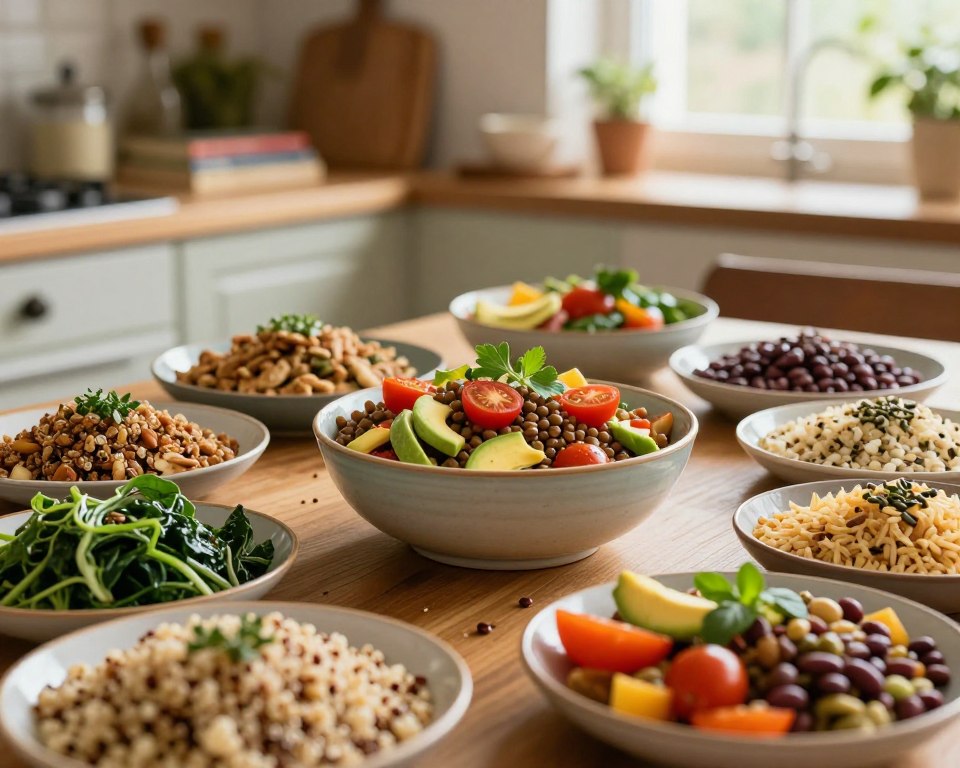
Szybki pomysł na parowanie: zboża + rośliny strączkowe + warzywa + nasiona – to prosta formuła, która idealnie nadaje się do lunchboxa i utrzymuje stały poziom białka przez cały dzień.
Orzechy, nasiona i masła orzechowe, które zwiększają zawartość białka i uczucie sytości
Orzechy i nasiona to łatwy i bogaty w składniki odżywcze sposób na zwiększenie uczucia sytości oraz dodanie białka do przekąsek i posiłków.
Dlaczego działają: Orzechy i nasiona łączą białko ze zdrowymi tłuszczami i błonnikiem. To połączenie spowalnia trawienie i pomaga dłużej czuć się sytym między posiłkami.
Codzienne wybory i gdzie je wykorzystać
Migdały, orzeszki ziemne (lub naturalne masło orzechowe) i mieszanki orzechów są wszechstronne. Używaj ich jako przekąsek, dodatków do owsianki lub chrupek do sałatek. Naturalne masło orzechowe może dostarczyć około 14 g białka na 2 łyżki stołowe, co czyni je przydatnym dodatkiem.
Cechy wyróżniające nasiona i proste zastosowania
Nasiona konopi (~9 g na 30 g), dynia, len, słonecznik i sezam dodają tekstury i składników odżywczych. Miksuj konopie w koktajlach, posypuj dynią zupy i wmieszaj zmielony len do jogurtu lub owsianki.
Wskazówka: Zmiel len dla lepszego wchłaniania; cała siemię lniane często pozostaje niestrawione.
Mądre porcje: zrównoważ ilość białka z gęstością kaloryczną
Większość orzechów i nasion dostarcza około 5–7 g białka na uncję. Są kaloryczne, więc należy odmierzać porcje. Niewielka, odmierzona porcja dostarcza białka i zdrowych tłuszczów bez przekroczenia limitu kalorii.
- Pomysły na ulepszenie: zrób szybki sos satay z masła orzechowego, użyj tahini do dressingów lub upraż pestki dyni jako dodatek.
- Połącz te dodatki z roślinami strączkowymi lub produktami pełnoziarnistymi, aby zwiększyć całkowitą zawartość białka roślinnego i składników odżywczych w posiłkach.
| Przedmiot | Białko na porcję | Typowe zastosowania |
|---|---|---|
| Migdały (1 uncja) | ~6 gramów | Przekąski, owsianka, sałatki |
| Masło orzechowe (2 łyżki) | ~14 gramów | Sosy, tosty, koktajle |
| Nasiona konopi (30 g) | ~9 gramów | Koktajle, miski, jogurt |
| Siemię lniane (1 łyżka stołowa, zmielone) | ~2 gramy | Owsianka, pieczenie, koktajle |
„Niewielkie porcje orzechów i nasion przynoszą duże korzyści: zwiększają uczucie sytości, dostarczają mikroelementów i poprawiają różnorodność posiłków”.
Produkty roślinne o wysokiej zawartości białka, poza tymi, które są powszechnie znane
Myśl o warzywach jako o białkach wspomagających które sumują się w posiłkach. Kiedy gotujesz duże porcje brokułów, szpinaku lub brukselki, przestają one być tylko dodatkami, a zaczynają dostarczać prawdziwego białka dziennie.
Warzywa bogate w białko, które szybko się kumulują
Brokuły, szpinak, szparagi, karczochy, ziemniaki, bataty i brukselka często dają około 4–5 g na ugotowaną filiżankę. Używaj ich do zup, dań smażonych na patelni lub dań przygotowywanych na blasze, aby zwiększyć objętość i wartość odżywczą.
Wskazówka: Połącz dużą porcję warzyw z soczewicą lub tofu, aby przygotować bogaty w białko i sycący posiłek bez zbędnego wysiłku.
Owoce o wyższej zawartości białka do przekąsek i koktajli
Owoce takie jak guawa, jeżyny i banany oferują około 2–4 g na filiżankęŚwietnie sprawdzają się jako szybka przekąska lub jako składnik koktajli, gdy chcesz uzyskać więcej składników odżywczych przy minimalnym przygotowaniu.
- Przygotuj smoothie: owoce + wzbogacone mleko sojowe + nasiona chia lub konopi + garść szpinaku.
- Użyj pieczonych ziemniaków lub słodkich ziemniaków jako treściwego dodatku, który dostarczy Ci zarówno węglowodanów, jak i dodatkowego białka w każdej porcji.
- Zamień posiłek przyrządzany na blasze w danie bogate w białko, dodając ciecierzycę i dużą ilość brokułów.
| Przedmiot | Białko na jedną ugotowaną filiżankę | Najlepsze zastosowania |
|---|---|---|
| Brokuł | ~4 gramy | Dania smażone, zupy, pieczone dodatki |
| Szpinak | ~5 gramów | Koktajle, smażone dania, jajecznice przypominające omlety |
| brukselka | ~4 gramy | Pieczone z ciecierzycą, sałatki, miski |
| Guawa / Jeżyny | ~2–4 gramy | Przekąski, koktajle, miski jogurtowe |
Regularne spożywanie tych produktów pomaga organizmowi osiągnąć cele związane z białkiem bez żmudnego planowania. Różnorodność produktów roślinnych ułatwia długotrwałe przestrzeganie diety.
Jak osiągnąć cele dotyczące białka na diecie roślinnej bez zbędnego zastanawiania się
Kilka prostych zasad i gotowych kombinacji Spraw, aby osiągnięcie wyższego zapotrzebowania na białko było praktyczne. Spożywaj produkty pełnowartościowe, takie jak soja, komosa ryżowa, konopie lub drożdże odżywcze, albo mieszaj uzupełniające się produkty podstawowe w ciągu dnia.
Białka kompletne i uzupełniające: łatwe połączenia
Pełnowartościowe białko wybór ten eliminuje domysły, ale fasolę, soczewicę lub groch można również łączyć ze zbożami, orzechami lub nasionami w trakcie posiłków.
- Fasola + ryż
- Soczewica + chleb pełnoziarnisty
- Hummus + pita z ziarnami
- Płatki owsiane + masło orzechowe + chia
Prosta struktura dnia pozwalająca osiągnąć wagę 70–100 g
Wybierz śniadanie bogate w białko, lunch na bazie roślin strączkowych, pożywną kolację z tofu/seitanem/fasolą i jedną przekąskę białkową. Sportowcy często po prostu zwiększają porcje, zamiast zmieniać makroskładniki.
| Posiłek | Przykład | Przybliżona zawartość białka |
|---|---|---|
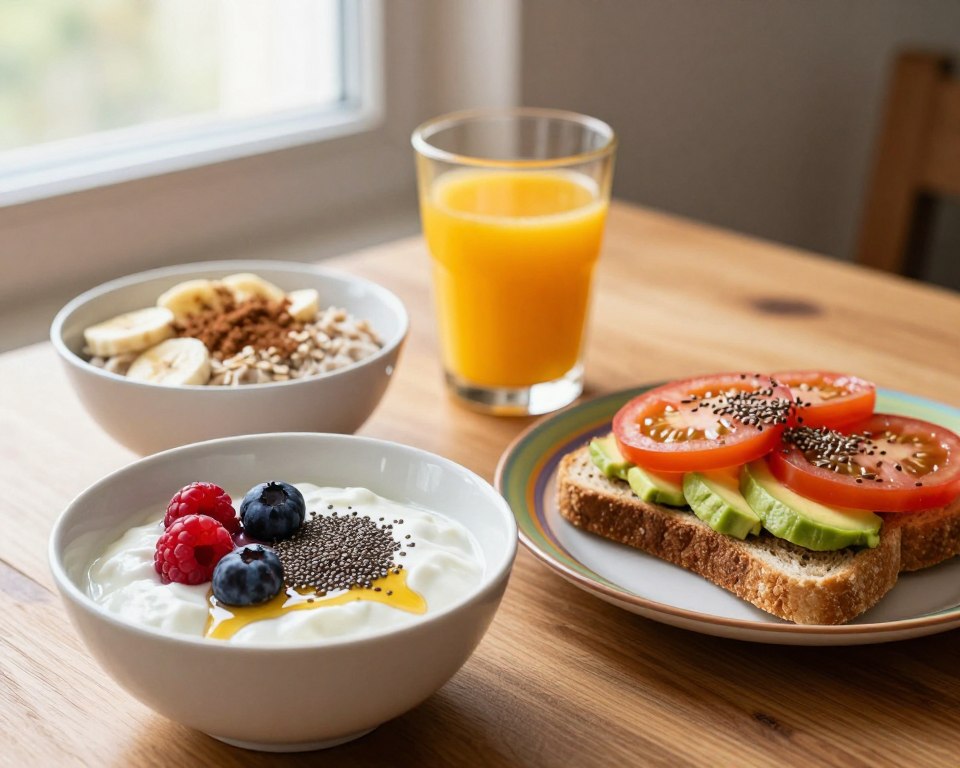
| Śniadanie | Płatki owsiane + mleko sojowe + masło orzechowe | 20–25 gramów |
| Obiad | Miska z soczewicą + pełne ziarna | 20–25 gramów |
| Przekąska | Prażone edamame lub jogurt sojowy + nasiona | 8–12 gramów |
| Kolacja | Tofu smażone z fasolą | 25–30 gramów |
Wzbogacona żywność i typowe luki
Zadbaj o witaminę B12, jod, żelazo, wapń, cynk i kwasy omega-3. Wzbogacona żywność lub suplementy mogą bezpiecznie uzupełnić niedobory. Unikaj polegania wyłącznie na wysoko przetworzonych zamiennikach mięsa – wybieraj minimalnie przetworzone źródła, aby uzyskać więcej błonnika i składników odżywczych.
„Stosuj powtarzalną rutynę: jedz więcej pełnowartościowych produktów, dodaj kilka produktów bogatych w białko i dostosuj dietę do poziomu głodu i wysiłku fizycznego”.
Wniosek
Mocny, podsumowanie: małe, powtarzalne ruchy pozwalają na osiągnięcie hojnych celów białko sumy bez zbędnych ceregieli.
Z kilkoma niezawodnymi białko roślinne Korzystając ze źródeł białka i prostych połączeń, możesz stworzyć dietę bogatą w białko, która będzie dostosowana do Twojego budżetu i harmonogramu.
Wyprzedzanie mięso nie chodzi tylko o gramy — wiele z tych produktów zawiera błonnik i mikroelementy, które wspomagają ogólną zdrowie i potrzeby naprawcze Twojego ciała.
Nie przejmuj się etykietami „kompletne”; urozmaicenie posiłków naturalnie dostarcza niezbędnych aminokwasów. Krok do działania: wybierz w tym tygodniu jeden nowy produkt podstawowy (soczewicę, tempeh lub komosę ryżową) i wykorzystaj go w dwóch posiłkach.
Planuj długoterminowo, koncentrując się na produktach minimalnie przetworzonych, mądrze korzystając z produktów gotowych i uzupełniając niedobory, takie jak witamina B12. Z kilkoma posiłkami i przekąskami, spożywaj duże ilości dziennie. białka staje się rutyną.