Anúncios
Your gut shapes more than digestion — it helps immunity, energy, mood, and inflammation. What you eat and how you prepare it can change how your digestive system performs.
You want food and meals that feel good now and set you up for long-term health. This guide shows simple swaps and easy-to-make recipes that ease the workload on your gut.
Blending, pureeing, and gentle cooking break food down before it reaches your gut. Soups, smoothies, and soft egg dishes are often kinder when you need a gentler plate.
We’ll also cover when to keep fiber and fat in your day and when to choose softer carbs like white rice or sourdough bread. Expect quick ideas, make-ahead options, and pantry picks you can trust.
By the end, you’ll know how textures, timing, and stress tie into digestive health and how to pick a recipe that supports comfort and real nutrition.
Anúncios
What you’re looking for: meals that feel good on your gut and still taste amazing
When your stomach feels fragile, pick soft, lower-fat plates that are easy to eat and gentle to digest.
Flavor matters, so focus on herbs, mild spices, and cooking techniques that bring taste without heaviness. If you ever feel like your system needs a break, soups and smoothies are a reliable go-to.
Choose simple foods that glide down: pureed vegetables, tender proteins, and cooked fruits. One option is to make a single-serving soup and add a squeeze of lemon or fresh herb at the end for brightness.
- Comforting broth-based recipes that aren’t fatty.
- Soft breakfasts or a blended recipe with yogurt or oats.
- Light lunches with steamed vegetables and plain grains.
- Easy dinners you can personalize based on how you feel.
Different people have different triggers, so keep a short log of what helps and what doesn’t. For quick reference, include pantry staples that support gut health and avoid heavy fried fare when your gut needs extra care.
How balanced digestion meals work with your digestive system
How your plate is prepared changes how your body handles every bite. Processing by cooking, blending, or pureeing softens the food matrix so your gut has less work to do. You get the same nutrients with less mechanical strain.
Why fiber, fat, and texture matter
Fiber slows transit, but high amounts can be heavy when your stomach feels sensitive. Lowering fat and picking softer textures temporarily reduces workload while keeping protein and micronutrients in play.
The role of hydration and the gut-brain axis
Hydration helps move food through your system and lowers constipation risk for the bowel. Chew slowly and eat with calm routines; the gut-brain link means stress and sleep shape how well you process food.
- Adjust fiber and fat in smart ways to protect long-term health.
- Cook or blend ingredients so your body absorbs protein and other nutrients more easily.
- Choose a soup or blended recipe on sensitive days to stay nourished and comfortable.
“Small changes to texture and timing can make a big difference in how you feel after eating.”
Tip: Steady meals and good hydration support overall gut health and help you stick with the foods that work.
Core principles for building gut-friendly plates
Build plates that calm your gut by pairing lean items with easy starches and soft vegetables. This simple framework makes it easier to eat when your system feels sensitive.
Pair lean protein, easy carbs, and gentle veggies
Start with lean protein like chicken, turkey, or fish. These options provide amino acids that support gut lining repair while staying light on your stomach.
Choose white rice, white pasta, or sourdough as gentler carbs on tougher days. Then add a tender vegetable for texture without extra work.
Cook, blend, or puree to make ingredients easy to digest
- Keep a short ingredients list on hard days so your food goes down easily.
- Cook or blend vegetables and greens—sautéed spinach or roasted zucchini are gentle picks.
- Use these ways to soften fiber and lower the effort your gut needs to process a plate.
- Rotate back to whole grains as you feel better to keep variety and long-term nutrition.
- This approach helps you eat satisfying, nourishing meals while giving your gut a kinder way to handle food.
Gut-supporting ingredients to keep on hand
Keep a small, well-chosen pantry to make gut-friendly cooking fast and stress-free. A few reliable items let you build gentle plates and still enjoy real flavor.
Lean proteins: chicken, turkey, fish
Lean proteins are easy to digest and deliver the amino acids your body needs to repair and renew. Stock cooked or frozen portions of chicken, turkey, and salmon so you can pull together a nourishing recipe in minutes.
Healthy fats: olive oil, avocado, omega-3s
Keep a bottle of olive oil and a ripe avocado for light, absorbable fats. Omega-3 rich fish like salmon help lower inflammation and improve how your body uses key nutrients.
Flavor with function: ginger, turmeric, garlic
Ginger, turmeric, and garlic pack gentle anti-inflammatory properties and give food bold but kind flavor. Start small if your gut is sensitive and increase as you tolerate.
- Stock tender spring greens and herbs to brighten a bowl without extra bulk.
- Frozen fruits work well for smoothies or warm compotes.
- Keep broth and basic soup vegetables so you can blend a soothing soup fast.
“A few pantry staples make it simple to eat for comfort and long-term health.”
With these ingredients on hand, you can shift between lighter textures and heartier plates as your tolerance improves. This small planning step supports overall health and helps you cook more confidently.
Soups and smoothies that are easy to digest when your stomach feels delicate
Warm, blended bowls and simple smoothies can be the gentlest way to eat when your stomach feels fragile. Cooking, blending, or pureeing breaks food structure and makes ingredients easier for your gut to handle.
Try these comforting recipes:
- Roasted carrot-parsnip soup: Roast, then blend for a low-FODMAP, soothing bowl. Chili or strong spices can be left out if they irritate.
- Classic chicken soup: A low-fat, low-fiber option that hydrates and calms the bowel. Use a clear stock and tender chicken for an easy-to-eat bowl.
- Roasted cauliflower soup with butter beans: Thick and creamy without heavy fat; this roasted cauliflower dish takes about 45 minutes, mostly for roasting.
Light snacks and smoothies: Greek yogurt topped with warm clementine compote gives protein and a smooth texture. A simple berry smoothie blends fruits and soft veg into a quick, nourishing sip.
- When you don’t feel like tackling big textures, a blended soup or smoothie is a great option to stay nourished.
- Batch-cook soup to reheat so you have ready recipes that use few ingredients and less effort.
Balanced digestion meals
Pick plates that pair gentle textures with steady protein so you feel nourished without strain. These simple combos cut down on effort while keeping flavor and nutrition.
Why these combinations are gentle, satisfying, and nutrient-smart
Lean protein, an easy starch, and a tender vegetable create a dish that calms your system and still delivers key nutrients. This approach helps you eat well even when your gut needs an easier option.
- Comfort and ease: lean protein, a soft carb, and cooked veg make one satisfying plate.
- Lower workload: these combinations let your body absorb nutrients with less effort.
- Try grilled chicken with white rice and steamed greens, or pasta tossed with olive oil and soft vegetables.
- Keep portions modest, chew slowly, and hydrate to help the food move through your system.
- Rotate simple recipes so you have go-to dishes that support gut comfort without boredom.
“A few steady combos make dinner easy and gentle on your body.”
Simple breakfast ideas that support gut health
Start your morning with gentle, flavorful choices that help your stomach wake up without stress. A calm first plate can shape how your gut handles food the rest of the day.
Smashed avocado on sourdough with a poached egg
Use sourdough or white bread—both can be easier to digest than standard loaves. Mash ripe avocado, spread it thin, and top with a poached egg for a boost of protein.
Keep flavors mild. Skip raw garlic or chili until your stomach feels ready. Add a small sprinkle of cheese only if you tolerate dairy well.
Banana-peanut butter smoothie with Greek yogurt
Blend a banana, a spoon of peanut butter, and plain Greek yogurt for a quick, nourishing recipe. Smoothies turn fruits into an easy-digest form and take about five minutes to make.
If dairy troubles you, swap lactose-free yogurt or a dairy-free alternative. Rotate in warm spring fruit compotes for variety and comfort.
- Quick wins: these breakfasts are fast and perfect for busy or low-energy days.
- Keep two go-to recipes on hand so your first meal supports gut health all day long.
Egg-based dishes that go easy on your digestive system
When your stomach needs a softer approach, egg dishes deliver comfort and nutrition. Eggs create a tender base for a creamy, easy-to-eat dish that you can tailor to tolerance and flavor.
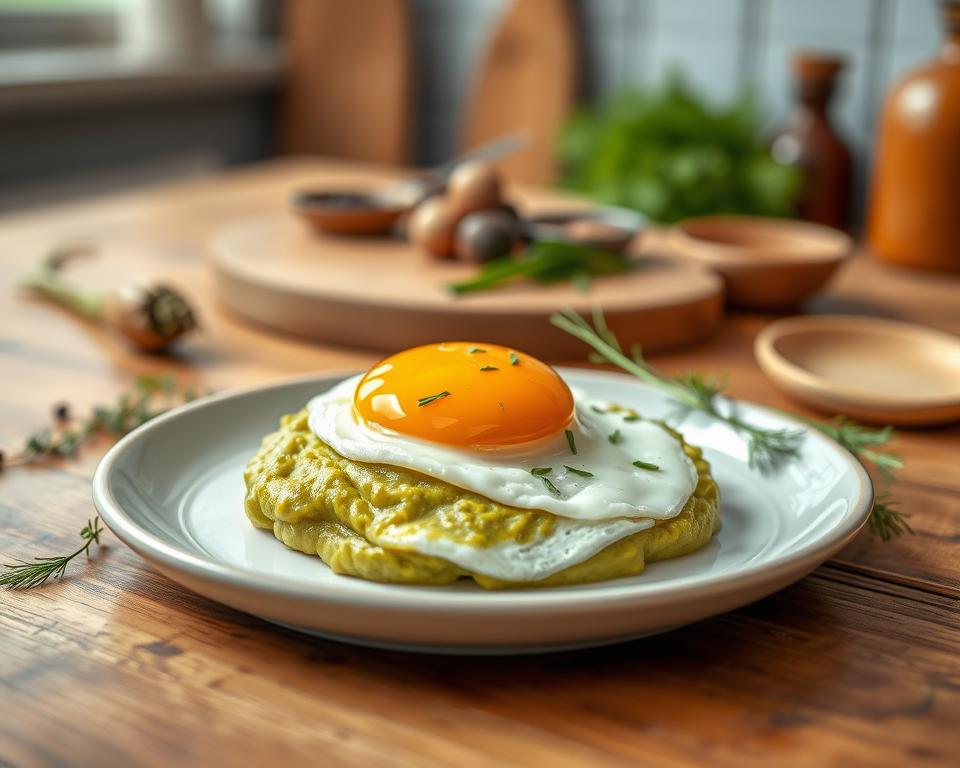
Spinach and feta quiche: soft, savory, and satisfying
Spinach and feta make a classic option. Use a modest amount of cheese and a small splash of cream or milk to keep total fat low.
If lactose worries you, swap parmesan or a lower-lactose cheese and use it sparingly. Bake until just set for a silky texture that is simple to chew and digest.
Roasted Mediterranean vegetable frittata with skinned veggies
Roast and skin tougher vegetables to lower fiber, then fold them into beaten eggs. This keeps textures soft and friendly to your gut.
- Eggs give you protein in a gentle form.
- Keep herbs mild and adjust seasoning to what you tolerate.
- Pair a small side of soft vegetable or white toast to round out the meal.
“A well-made quiche or frittata is a flexible, low-effort recipe you can use for brunch, meal prep, or a cozy dinner.”
Smart carbs and pasta that don’t overwhelm your system
Pick gentle carbs that soothe your stomach while still giving you comfort and energy. These choices let you enjoy familiar flavors without extra strain on your gut.
Butternut squash mac and cheese is a quick, comforting dish that uses white pasta to lower fiber versus whole wheat. Fold in soft, well‑boiled cauliflower or broccoli so the texture stays soothing.
Butternut squash mac with soft broccoli or cauliflower
Make a light sauce from roasted squash and a splash of milk. Keep the portion modest and stir in steamed florets until tender. This recipe gives creamy comfort and is an easy digest option.
White rice, white pasta, and sourdough as gentler options
Choose white pasta, white rice, or sourdough toast when your system needs a break. Pair pasta with shredded chicken and a drizzle of olive oil for protein without heaviness.
- Keep sauces light so the dish stays easy to digest.
- Rotate in white rice bowls with tender veggies for variety.
- If gluten-free, pick a soft-cooking pasta to maintain a soothing texture.
Lean chicken combinations for everyday digestive health
Lean chicken plates give you steady protein without heavy textures that can slow you down. These combos are simple to cook, gentle on your gut, and full of practical flavor.
Lemon-herb chicken with roasted green beans and rice
Lemon-herb chicken pairs tender white meat with soft white rice and roasted green beans for a soothing plate. Roast the beans until just tender to keep the texture light.
Keep the sauce just a squeeze of lemon, a little olive oil, and fresh herbs. This recipe reheats well and makes a reliable meal prep option.
Ginger-scallion chicken stir-fry with bok choy and snow peas
Try a ginger-scallion stir-fry for a quick, anti-inflammatory boost. Use thin slices of chicken, mild sauce, and cook bok choy and snow peas until tender-crisp or softer, depending on how you feel.
Ginger adds bold flavor and can be calming for some people. Skip heavy oils and keep portions modest so the protein satisfies without weighing you down.
- Build a light meal around chicken for reliable protein that stays easy digest.
- Lemon-herb chicken with roasted beans plus rice balances taste with gentle texture.
- Ginger-scallion stir-fry brings anti-inflammatory notes and bright flavor.
- Rotate rice, pasta, or sourdough to keep your meals varied while supporting your gut.
“Protein from chicken helps you feel satisfied without weighing you down.”
Salmon and plant-powered bowls for anti-inflammatory support
Salmon bowls bring anti-inflammatory benefits and bright, simple flavor to your plate. They pair omega-3 rich fish with soft grains and tender vegetables so your gut can absorb key nutrients without extra fuss.
Herb salmon with sautéed greens and olive oil
Herb salmon is quick to make and gentle on the stomach. Pan-sear a fillet with lemon, thyme, and a light splash of olive oil.
Serve it over lightly sautéed greens. Use mild aromatics and keep garlic or ginger minimal if you’re sensitive. This dish gives omega-3s and healthy fats that support recovery and comfort.
Salmon adobo with quinoa, black beans, and sweet corn
For a heartier bowl, try salmon adobo with Mexican red quinoa, black beans, and sweet corn. The beans add plant protein and fiber while quinoa holds up as a soft, nourishing base.
Keep flavors lively but controlled so the plate stays soothing. Add a side of roasted cauliflower for a soft, calming vegetable that rounds out the bowl.
- Why choose salmon: rich in omega-3s and healthy fats to support gut comfort.
- Simple prep: both recipes are quick, nourishing, and easy to customize.
- Flavor tips: use garlic or ginger sparingly and balance acid with olive oil for depth without heaviness.
“These bowls deliver nutrients and satisfying flavor without overwhelming your digestion.”
Vegetable-forward meals that still go down easy
Spring produce shines when you make soft textures and mild dressings the focus. Cook until tender so fiber feels gentle and flavors stay bright.
Asparagus and spring greens farro hash with miso dressing
This recipe keeps farro and asparagus soft by simmering until the grain plumps and the stalks pull apart. Finish with a light miso dressing for savory depth without heavy oil.
Quinoa-pistachio stuffed artichokes, cooked until very tender
Simmer or steam artichokes until leaves loosen easily, then stuff with fluffy quinoa and crushed pistachios. The result is a comforting, plant-forward plate that is easier on your gut.
- Go soft: cook grains and vegetables until very tender.
- Round it out: add roasted cauliflower or another soft side to keep textures consistent.
- Dress lightly: choose simple, low-acid dressings and skip extra raw crunch on sensitive days.
These spring-focused recipes celebrate vegetable flavor while keeping your food soothing and approachable. Keep portions moderate and chew well so the body can handle fiber more comfortably.
Cooking methods that make meals easier to digest
A few gentle techniques in the kitchen change how food behaves in your body and how you feel after eating. These simple shifts help your gut process ingredients with less effort while keeping flavor front and center.
Roasting, simmering, blending, and pureeing to soften fiber
Processing ingredients by cooking, blending, or pureeing actually breaks food down so fiber is less abrasive. Roasting adds sweetness and tenderness. Simmering pulls flavors into a warm bowl you can sip.
Blending or pureeing turns bulky veg into a silky soup or sauce that your system can handle with ease. These are practical ways to enjoy nutrients when your stomach needs gentler texture.
Soaking pulses and choosing low-FODMAP swaps when needed
Soaking beans and lentils before you cook helps remove water‑soluble compounds that can bother some people. Then cook them until very tender to make them easy digest.
When symptoms flare, pick lower‑FODMAP swaps and keep aromatics mild. Batch-cook a soothing stew or soup when you have extra time, so a gentle option is ready on busy days.
- Use roasting, simmering, blending, and pureeing to soften fiber and make dishes easier to eat.
- These methods reduce the work your body does and support comfort in the short term.
- Soak pulses, cook them very soft, and swap lower‑FODMAP ingredients as needed.
- With small prep changes, any favorite recipe can become gentler for your system.
“Your gut will appreciate the extra prep that makes every bite a little easier.”
What to skip when your gut needs a break
Some everyday foods make your bowel work harder — avoiding them for a bit helps. Start with a short list so you can rest and recover without losing flavor or nutrition.
Fried, fatty, and raw items to avoid
Fried foods and heavy fat slow stomach emptying and can leave you feeling sluggish. Skip deep‑fried items and rich sauces during flares.
Raw, fibrous produce and many unpeeled fruits add fiber that can irritate a sensitive bowel. Choose cooked or peeled versions instead.
Lactose, beans, pasta, and strong aromatics
If lactose bothers you, use small portions or a lower‑lactose cheese and try lactose‑free dairy. Beans can be rough on the gut; soak and cook them very soft or pause them briefly.
Swap whole grain pasta for white pasta or white rice until you feel better. Strong flavors like garlic and raw onion may feel intense—reintroduce them slowly.
- Short-term rules: skip fried foods and heavy fat so your bowel isn’t overworked.
- Cook fruits and vegetables, soften beans, and pick gentler carbs.
- These are temporary tools to help you recover; as symptoms ease, bring variety back based on how your body responds.
“Small skips now can speed comfort and make it easier to return to a wider diet.”
Timing and routine: when and how you eat affects digestion
Eating with a calm pace and consistent schedule helps your body predict and prepare for food. That predictability trains your digestive system and makes each bite easier to handle.
Eat slowly, chew thoroughly, and keep a steady schedule
Give your gut a head start by slowing down. Chew thoroughly so tougher bits reach your stomach already broken down.
Keep a regular time for breakfast, lunch, and dinner. Spacing your meals across the day supports enzyme rhythms and steady energy.
Hydrate throughout the day to support motility and comfort
Sip water between bites rather than gulping while you eat. This helps the system move food along without diluting stomach acid at mealtime.
Lower stress around eating with a short walk, a few deep breaths, or a pause before you sit. These simple shifts boost gut health and overall health.
- Eat slowly and chew at every sitting.
- Keep predictable meal times and small routines for busy days.
- Sip water between plates and lower stress before you eat.
“A calm pace and steady schedule help your gut do its best work.”
Try repeating one easy recipe you trust. Routines make it simpler to stay consistent and notice what helps you feel better.
Small daily habits that support digestive health
Daily rhythms matter. When you tune sleep, activity, and stress, your gut works more smoothly. Small steps are easy to keep and they add up to real gains in comfort and energy.
Manage stress, sleep 7–9 hours, and stay active
Short, regular practices help. Try brief walks, breathing breaks, or gentle stretching each day to lower stress and calm your system.
Aim for 7–9 hours of sleep so your brain and bowel rest. Move most days to keep transit steady and reduce sluggishness.
- Manage stress with daily walks or 5 minutes of breathing.
- Sleep 7–9 hours to protect gut-brain balance.
- Move your body most days to stimulate your bowel.
- Chew slowly and sip water to help digestion.
Try fermented foods and consider probiotics with guidance
Start small with fermented picks like yogurt or kefir and note how you feel. Add a piece of soft fruit or sliced fruits in a breakfast recipe to test tolerance.
Talk with your clinician before starting a probiotic. Individual responses vary, so track what helps you and lean on simple recipes when life gets busy.
“Tiny habits done each day reduce flare-ups and help you feel steadier over time.”
Conclusion
Conclusion
Close the loop with small, repeatable choices that let your gut rest and recover without boredom. Pick soft, lower‑fat options like soups, smoothies, and egg dishes on sensitive days. Then, slowly reintroduce fiber and variety as you feel better.
Lean on a simple recipe template: protein + easy carb + soft vegetable. Use gentle cooking, steady hydration, and give yourself enough time to eat calmly.
You’ve got a clear way to build food combos that support your gut and overall health. For more on how diet shapes microbiota and gut health, see this diet and microbiota research.