Annunci
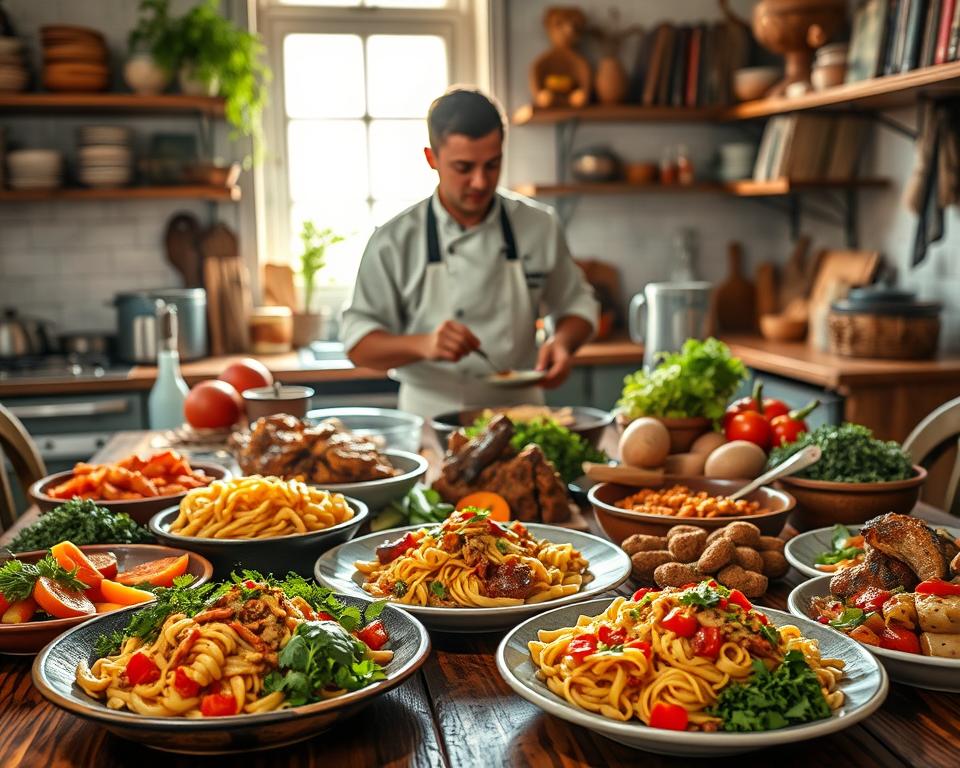
Have you ever wondered why a crunchy bite makes chips taste saltier or why a soft cake feels sweeter? That question is reshaping how you judge food and how chefs design meals.
The rise of texture-focused eating has changed the way people choose what to eat. Studies found sweet-soft combos seem sweeter and salty-crispy snacks taste saltier and crunchier.
Brands and restaurants now treat feel as part of the dish, using science to craft sight, sound, smell and flavor so each bite becomes memorable. Ingredion and quick-service chains have used microscopy and clever shells to boost appeal and repeat orders.
This shift makes food more than fuel — it creates a full sensory experience that can make healthier options feel indulgent. As the industry applies tech and trends like ASMR crunch, expect meals that aim to surprise and satisfy at once.
What Is Texture Driven Gastronomy?
How a bite feels can shape what you taste next. You’re shifting from a taste-first mindset to a texture-forward approach that maps mouthfeel to flavor. This change affects how chefs design dishes and how you pick what to eat.
Annunci
From taste-first to texture-forward: redefining the way you enjoy meals
Think of creamy yogurt that makes a bite seem sweeter. Research shows smooth and soft layers boost perceived sweetness, while crispy shells push saltiness higher.
That matching of expectation — sweet-soft, salty-crispy — makes both taste and feel stronger. Brands across bakery, snacks, dairy, savory, and beverages use these lessons to shape eating experiences.
Why textural contrast boosts the appeal of everyday dishes
Contrast adds variety in every bite. When smooth elements meet crunchy bits, the elements control aroma release, mouthfeel, and pacing.
- Add a crisp topper to a soft base to lift simple dishes.
- Mix airy, creamy, and firm layers to keep the brain engaged.
- Match the dish to your preferences and it will seem fresher and more satisfying.
For a deeper look at how feel shapes product innovation, see this industry piece on texture and bakery innovation. Even small changes in different textures can make familiar dishes feel new.
The Science Behind Texture, Taste, and Multiple Senses
Your brain pieces together sight, sound, smell and mouthfeel to build what you call gusto. This is a science of integration: regions like the insula, orbitofrontal cortex and anterior cingulate work together to make each bite meaningful.
How your brain integrates sight, sound, smell, and mouthfeel during eating
The anterior insular cortex is where taste and smell converge. The gustatory cortex links taste with texture; about 23% of neurons respond to tongue or jaw movement. That neural mix shapes expectation and the final experience.
Research highlights and surprising pairings
Ricerca shows congruent pairs like sweet-soft and salty-crispy boost perceived intensity. By contrast, sour-crunchy can confuse the brain. Language, advertising, and even the crunch sound change how you judge a bite.
Preventing palate fatigue and matching preferences
Varying texture across a meal keeps you engaged and reduces palate fatigue. Visual appearance — a cracked crust or glossy glaze — primes the mouth before the first chew. Match a dish to your preference and you may find the same ingredients taste better.
- Flavor relies on multiple senses working at one level.
- Use complementary textures to extend interest.
- Small science-backed shifts can change perception instantly.
texture driven gastronomy in the Real World: From Lab to Plate
Lab tools now let food teams see how tiny starch strands and proteins shape every bite. With confocal laser scanning microscopy, researchers map amylose and amylopectin to design the chew, stretch, and moisture hold you expect.
Advances in starch, protein, and ingredient structure
You benefit from ingredient-level innovation where scientists study starch and protein to engineer reliable results. Modified starches extend shelf life and keep baked goods soft longer.
Plant-based makers use hydrocolloids and protein interactions to mimic dairy and meat mouthfeel. These shifts move from pilot labs into real products quickly.
Designing sauces and products for optimized mouthfeel and appearance
Sauces and glazes are tuned to cling, shine, or break cleanly so the look matches the mouthfeel. In the industry, delivery needs pushed brands to build foods that survive transport without going soggy.
- By tuning amylose and amylopectin, teams craft the exact bite and stretch.
- Tortillas keep pliable at the consumer level; pizza shows crisp outside and chewy inside as a freshness cue.
- Cheese melt and stretch are optimized because those cues shape how you rate overall quality.
As this science reaches plates, you get products and foods that deliver better appearance and feel.
Crunch, Creamy, Chewy: The Textures Consumers Can’t Stop Craving
You can often hear a bite before you taste it — that audible snap is now part of how consumers pick snacks and meals. TikTok ASMR clips made crunch a social signal; the world now treats sound as a flavor cue.
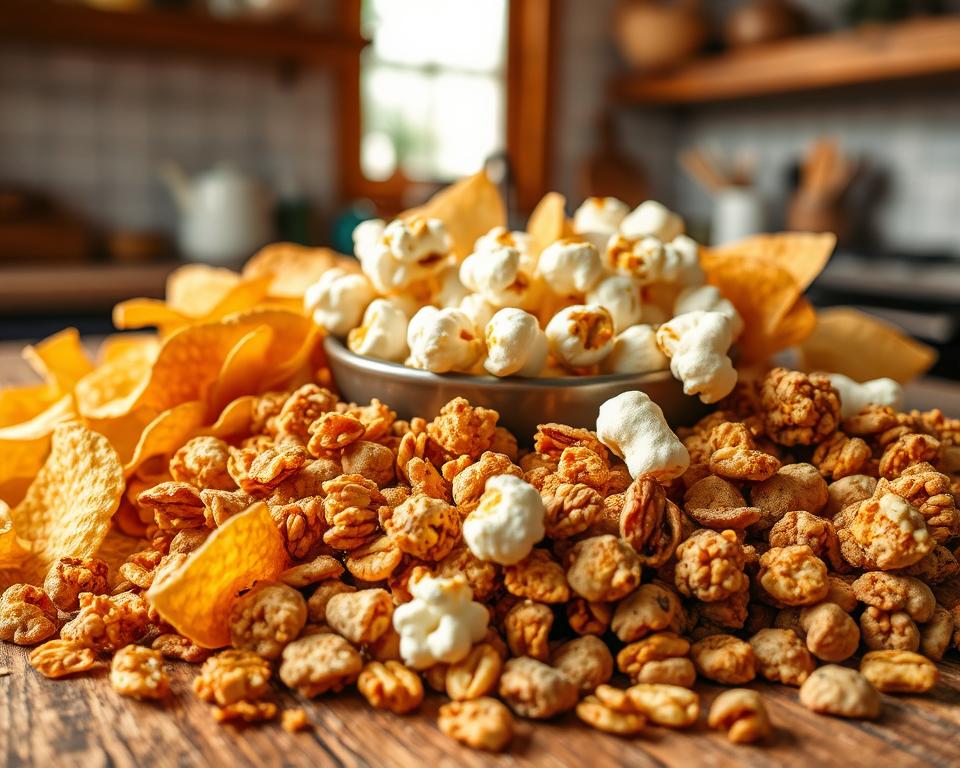
Surveys say taste, appearance, and aroma top the list, yet research finds a gap: foods labeled crunchy O crispy actually score higher in appeal. In the U.S., crunchy and creamy rank high in preferences, with juicy next.
Brands lean into that expectation. Taco Bell names and formats emphasize crunch to boost appetite and set experience cues. Datassential notes “crispy” appears on 62% of U.S. menus.
- Sound primes flavor: you often hear the crunch before you bite.
- Labels shape judgment: calling a dish crispy raises its perceived quality.
- High stakes: Rubix reports half of consumers will return an order if the promised feel fails.
For you, that means menus that call out a specific food texture tend to taste more satisfying. Expect more items built to deliver the crunch and creamy contrast that keeps people coming back.
Menu Moves: How Chefs and Brands Build Textural Contrast
You’ll notice more dishes built to mix soft centers with a sharp outer crunch. Fast-casual menus and QSRs lean on these builds to make a quick bite feel layered and memorable.
Fast-casual and QSR examples
Taco Bell’s Toasted Cheddar shell and KFC’s Cheetos-topped chicken show how chip cues move from snack aisles into meals.
These products borrow retail flavors to add familiarity and pop. Chefs use that cue to set expectation fast.
Beverage textures on the rise
Drinks now add cold foams, boba, or creamy toppers so a single sip has multiple feels. Dutch Bros’ Soft Top is a simple way to add cream and sweetness.
Keeping fried textures crisp with sauces and delivery
Balancing sauces and coatings matters. Tech like Rubix’s CrispKeeper helps fried chicken hold up over time so the crust stays crisp under sauce.
When a sauce is involved, timing and format decide whether the crunch survives the trip to your door.
- Contrast sells: soft center, crisp shell feels more dynamic.
- Add crunchy toppers—pita chips, crispy rice—to lift bowls and salads.
- On the back end, the industry engineers products so sauce hits without sogging the bun.
Global Inspirations: Mochi, Ice Cream, and Cross-Cultural Textures
Mochi’s chewy charm changed how you think about sweets in the U.S. Its smooth exterior and colorful fillings moved from specialty markets to mainstream grocery shelves and menus.
Why mochi’s chewy appeal took off in the United States
You fell for mochi because the chew is playful and pairs perfectly with creamy ice cream. Social media made it shareable and curious eaters tried it fast.
Portion-controlled bites matched health trends and helped mochi feel like a smart indulgence. That balance helped it spread into snacks, doughnuts, and even savory takes.
Adapting global textures for local preferences and occasions
Chefs adapt firmness and fillings to match local preferences while keeping the original feel. That makes mochi a standout example of how global foods teach your palate new likes.
- You get new experiences without specialty trips.
- Chewy plus creamy combos slow the bite and reward taste.
- Expect more dishes that mix familiar flavors with fresh feels.
Plant-Based and Alternative Proteins: Getting Texture Right
Plant-based developers now focus as much on how a bite behaves as on how it tastes. You judge new products by chew, stretch, and melt. Matching those cues helps plant foods move from niche to everyday plates.
Hydrocolloids, starch-based texturizers, and protein interactions are the building blocks here. Producers tune these ingredients so a burger will sear, a slice will melt, and a bite feels familiar in your mouth.
How formulation meets expectation
Science aligns flavor release with structure so each bite tastes fuller and more authentic. These tweaks also boost shelf life and processing durability without wrecking the bite you expect.
- You judge plant-based foods by how convincingly they mimic chew, stretch, and melt.
- Hydrocolloids and starch-based ingredients are engineered to deliver the right texture.
- Chefs use the same building blocks to sear, sauce, and plate plant dishes like traditional options.
As your expectations rise, brands must hit both flavor and texture benchmarks to earn repeat purchases. The result is a new generation of products that satisfy cravings while meeting sustainability and clean-label goals.
Chef Techniques You Can Notice (and Try): Building Layers of Texture
Start by thinking like a chef: layer bold mouthfeels so each bite tells a story. Layering begins with a creamy puree base, a seared protein for crust and tenderness, toasted nuts for crunch, and a light foam for lift.
Layering elements for impact
Begin with a smooth base, add a seared protein, then scatter crunchy elements and fresh herbs. These elements create clear textural contrast and keep every bite interesting.
Plating for contrast
Stack components for height and cut proteins on a bias to show juicy surfaces. Use tweezers for precise garnishes and apply sauces as smears, dots, or glossy glazes to add shine and another element of mouthfeel.
Molecular touchpoints
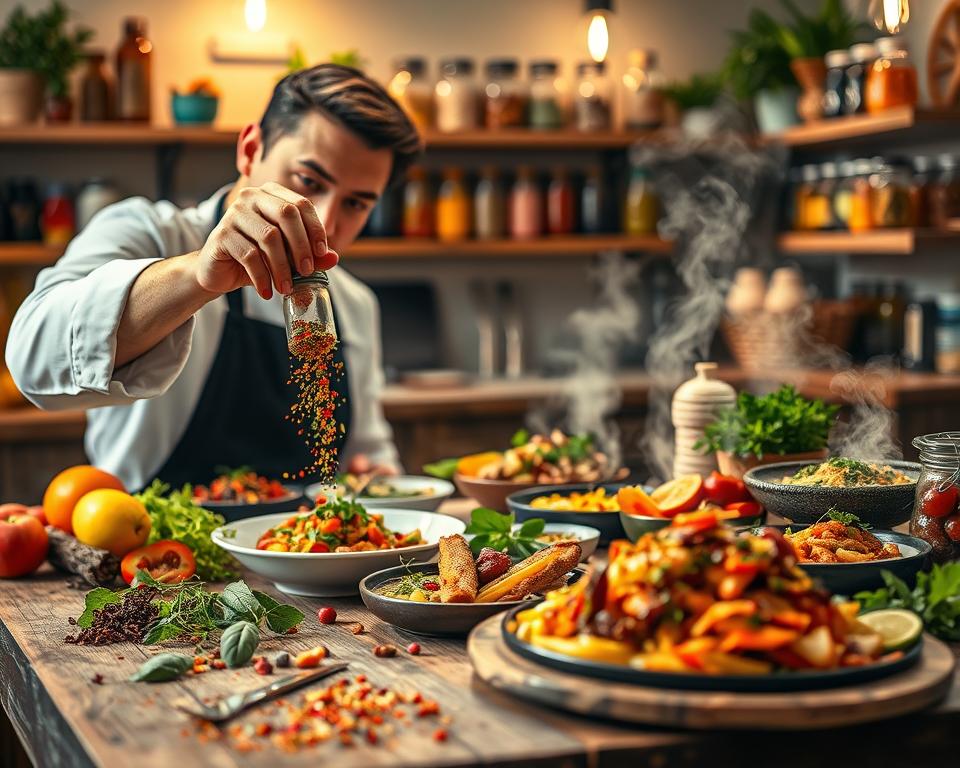
Foams, gels, emulsions, and spherification bring playful notes without changing core flavor. Think fruit “caviar” or a light espuma to lift a heavy dish.
Classic examples that teach the rulebook
Crème brûlée (brittle top vs. silky custard), bubble tea (chewy pearls vs. milky liquid), pizza (crisp crust with stretchy cheese), and tortillas (soft yet resilient) are useful examples to study.
- Try a creamy base + seared protein + crunchy topper at home.
- Use sauces strategically to add gloss and a different feel.
- Practice balance so no single element overwhelms the dish.
Conclusione
Simple changes in a bite’s feel can turn an ordinary meal into something memorable. When texture E gusto work together, your brain uses multiple senses to make a food feel richer. That alignment shapes first impressions and the last chew.
Deliberate textural contrast makes a dish more dynamic. Research shows pairs like sweet-soft and salty-crispy boost appeal. Use that idea at home by layering creamy, seared, and crunchy elements to lift everyday meals.
From mochi ice cream to a crisp chicken sandwich, foods that match promise earn trust and repeat orders. For chefs and brands, science guides consistent results so products travel well and still wow on the plate.
Insomma: pay attention to feel, respect preferences, and you’ll find simpler paths to more satisfying food and memorable dishes.