Oglasi
Zabrinuti ste zbog pitanja "Gdje nabavljate proteine?" Niste sami. Mnogi ljudi pretpostavljaju da je meso jedini put, ali učinkoviti biljni proteini lakše ih je pronaći nego što mislite.
Dobit ćete jasan popis koji uspoređuje opcije proteina biljnog podrijetla s mesom. Pokazat ću gdje se određeni izbori mogu mjeriti s namirnicama životinjskog podrijetla ili ih nadmašiti u pogledu proteina po porciji i ukupne nutritivne vrijednosti.
Pod "nadmašiti" mislim na više od grama proteina. Očekujte bilješke o vlaknima, mikronutrijentima i kako svaka namirnica odgovara vašem danu. Obradit ću cjelovite opcije proteina i jednostavne kombinacije koje možete koristiti bez praćenja svakog zalogaja.
Korisne zaključke: kako odabrati minimalno prerađene opcije, na što treba paziti kod ultra-prerađenih alternativa i jednostavne pripreme obroka koje će vam pomoći da dosljedno postignete ciljeve unosa proteina.
Zašto biljni proteini mogu biti energetska snaga u vašoj prehrani
Zamislite proteine kao alat koji vaše tijelo koristi za popravak, obranu i funkcioniranje svaki dan. Pomaže u obnovi mišića nakon treninga, stvara enzime koji pokreću osnovne procese i stvara antitijela koja podržavaju vaš imunološki sustav.
Oglasi
Aminokiseline su jednostavni gradivni blokovi proteina. Devet ih je esencijalne aminokiseline, što znači da ih morate dobiti iz hrane jer vaše tijelo ne može samo proizvesti dovoljno.
„Kompletni protein“ jednostavno znači da hrana osigurava svih devet esencijalnih aminokiselina u korisnim količinama. To ne znači da su drugi izvori loši – mnoge kombinacije, poput graha i žitarica, daju vam istu smjesu.
Koliko vam je potrebno? Preporučeni dnevni unos u SAD-u je 0,8 g/kg/dan, a WHO preporučuje 0,66 g/kg/dan. Za mnoge odrasle osobe to se prevodi u skroman dnevni cilj. Velika istraživanja pokazuju da vegetarijanci i vegani često u prosjeku unose 70+ g/dan, tako da je pravi nedostatak rijedak i obično je povezan s premalo kalorija ukupno.
Zaključak: Uz pametne namirnice i jednostavne obrasce obroka, možete postići svoje ciljeve unosa proteina bez opsesije - i usput dobiti dodatna vlakna i hranjive tvari za bolje cjelokupno zdravlje.
Kako usporediti izvore proteina biljnog podrijetla kao profesionalac
Usporedite hranu prema proteinima po porciji i proteinima po kaloriji kako biste odabrali pravu opciju za svoje ciljeve. Koristite brojke po porciji kada sastavljate obrok i brojke po kalorijama kada pratite unos energije.
- Odaberite seitan ili tempeh kada vam je potreban visok udio proteina po porciji (seitan ~25g/100g; tofu/tempeh/edamame 12–20g/100g).
- Birajte mahunarke za bolji udio proteina po kaloriji plus vlakana (mahunarke ~15–18 g/šalica).
- Koristite sjemenke i orašaste plodove za povećanje kalorija i dodavanje zdravih masti, ali pazite na gustoću.
Gledajte dalje od grama. Biljna hrana pruža vlakna, minerale i antioksidanse koji nedostaju mnogim opcijama životinjskih proteina. Ta dodatna hranjiva tvar podržava sitost i zdravlje crijeva, a istovremeno povećava razinu hranjivih tvari u vašoj prehrani.
Provjerite deklaracije kako biste uočili ultra-prerađene proizvode: dugi popisi sastojaka, rafinirani izolati i visok udio natrija ili zasićenih masti. Zapamtite, neki prerađeni izbori - konzervirani grah, smrznuto povrće, obogaćeno sojino mlijeko - uklapaju se u zdrav plan prehrane.
Jednostavno stablo odlučivanja
Započnite s minimalno prerađenim izvorom, dodajte ugljikohidrate bogate vlaknima (cjelovite žitarice ili mahunarke), a zatim dodajte sjemenke ili orašaste plodove ako vam je potrebno više kalorija. To vam daje fleksibilne mogućnosti za sastavljanje obroka koji odgovaraju vašim ciljevima.
Učinkoviti biljni proteini koji pružaju potpune aminokiselinske profile
Ako želite obroke koji pokrivaju svih devet esencijalne aminokiseline, određene cjelovite namirnice čine ga jednostavnim i ukusnim.
Sojine namirnice: tofu, tempeh i edamame
Tofu, tempeh i edamame su pravi potpuni izvori proteina. Tofu i tempeh obično daju ~12-20 g na 100 g, a kuhana šalica čvrstog tofua može imati ~22 g, ovisno o pripremi.
Koristite tofu u kajgani ili pečenim kockicama, tempeh u prženim jelima, a oguljeni edamame u salatama za brzi unos proteina.
Quinoa i amarant: potpune "žitarice"
Quinoa i amarant su pseudožitarice koje se ponašaju poput žitarica, ali daju oko 8-9 g po kuhanoj šalici. Zamijenite ih rafiniranim žitaricama kako biste povećali udio proteina i dodali minerale i vlakna.
Sjemenke konoplje i chia sjemenke
Sjemenke konoplje daju otprilike 9 g na porciju od 30 g, a chia sjemenke oko 5 g na 28 g. Ove sjemenke su jednostavan dodatak zobenim pahuljicama, smoothiejima i jogurtu te donose omega masti zajedno s proteinima.
Nutritivni kvasac i spirulina
Nutritivni kvasac sadrži oko 8 g na 16 g i nudi slan, sirni okus. Odaberite verzije obogaćene vitaminom B12 ako se pridržavate veganske prehrane.
Spirulina pruža ~8 g na 14 g i djeluje kao dodatak malim smoothiejima. Počnite s malim količinama i provjerite kvalitetu; neki dodaci prehrani imaju probleme s točnošću deklaracije i kontaminacijom.
„Ovi cjeloviti proteinski izbori olakšavaju postizanje dnevnih ciljeva, a istovremeno dodaju raznolikost i ključne hranjive tvari vašim obrocima.“
Zaključak: Uključite nekoliko ovih osnovnih namirnica i možete sastaviti obroke bez brige o nedostatku aminokiselina - posebno u prometnim danima kada su jednostavne zamjene najvažnije.
Seitan i mikoprotein: biljni proteini slični mesu s visokim udjelom proteina
Seitan i mikoprotein vam daju dva vrlo različita puta do teksture nalik mesu i visoke razine proteina. Seitan trči okolo 25 g proteina na 100 g i kuha se i grize poput poznatih komada mesa. Također pruža selen i male količine željeza, kalcija i fosfora.
Koristite seitan u tacosima, sendvičima, prženim jelima, curryju ili ga dodajte u salate. To je idealan izbor kada želite visok udio proteina po porciji, a da pritom ostane zasitan i svestran.
Tko bi trebao izbjegavati seitan
Budući da je seitan gotovo čisti pšenični gluten, svatko tko ima celijakiju, osjetljivost na gluten koja nije povezana s celijakijom ili druge poremećaje povezane s glutenom trebao bi ga izbjegavati.
Osnove mikoproteina i provjera etiketa
Mikoprotein (iz Fusarium venenatum) obično osigurava ~15-16 g proteina na 100 g i oko 5-8 g vlakana. Često se pojavljuje kao odresci ili pljeskavice i oponaša teksturu mesa bez životinjskih proteina.
- Provjerite etikete za jaja ili bjelanjke ako vam je potreban veganski proizvod.
- Pazite na natrij i zasićene masti u prerađenim verzijama.
- Ako imate alergije na hranu, budite oprezni - reakcije su rijetke, ali moguće.
„Tretirajte obje namirnice kao alate: odlične su zbog teksture i praktičnosti, najbolje se kombiniraju s mahunarkama, žitaricama i povrćem za uravnoteženo zdravlje.“
Za više informacija o istraživanju i sigurnosti mikoproteina, pogledajte istraživanje mikoproteina.
Mahunarke koje se natječu s mesom za proteine i prednosti za zdravlje srca
Mahunarke sadrže iznenađujuću količinu proteina i donose blagotvorne učinke za srce koje možete koristiti svaki dan.
Leća za visok sadržaj proteina i vlakna dobra za crijeva
Leća isporučiti otprilike 18 g proteina po kuhanoj šalici i puno vlakana koja hrane vaše crijevne bakterije. Također opskrbljuju folatom, manganom, željezom i antioksidansima.
Grah i slanutak kao svakodnevne namirnice
Većina grah, uključujući slanutak, daju otprilike 15 g proteina po kuhanoj šaliciKoristite ih u zdjelicama za burrito, čiliju, humusu ili salatama za jednostavne opcije za pripremu obroka.
Zeleni grašak kao iznenađujući prilog
Zeleni grašak daje oko 9 g proteina po kuhanoj šaliciDodajte ih u tjesteninu, prženu rižu ili pasirane juhe kako biste tiho povećali unos proteina i vlakana bez dodatnog planiranja.
Kako mahunarke podržavaju kolesterol, šećer u krvi i osjećaj sitosti
Redovite porcije pomažu u snižavanju kolesterola i stabilizaciji šećera u krvi, što može smanjiti žudnju i pad energije. Vlakna također potiču osjećaj sitosti, olakšavajući zamjene u prehrani prilagođene težini.
| Mahunarka | Proteini po kuhanoj šalici | Ključni nutrijenti | Jednostavna upotreba |
|---|---|---|---|
| Leća | ~18 g | Folat, željezo, mangan, vlakna | Juhe, curry, salate, nadjev za tacose |
| Crni grah / slanutak | ~15 g | Vlakna, magnezij, kalij | Burrito zdjelice, humus, čili, sendviči |
| Zeleni grašak | ~9 g | Vitamin C, K, vlakna | Tjestenina, pržena riža, miješane juhe |
Ciljajte na 1-2 porcije dnevno rotirajući leću, grah, slanutak i grašak kako biste postigli ciljeve unosa proteina, a istovremeno poboljšali zdravlje srca i osjećaj sitosti.
Cjelovite žitarice i proklijale opcije koje povećavaju vaš dnevni unos proteina
Cjelovite žitarice tiho povećavaju vaš dnevni unos proteina, a istovremeno dodaju vlakna i mikronutrijente. Djeluju kao stabilna, pozadinska podrška tako da vam ne trebaju podrhtavanja da biste pogodili mete.
Drevne žitarice koje vrijedi probati
Spelta i teff pruža oko 10-11 g proteina po kuhanoj šalici. Koristite pir u zdjelicama od žitarica ili toploj kaši; imajte na umu da pir sadrži gluten. Teff je prirodno bez glutena i dobro funkcionira kao prilog ili baza za kašu.
Zob za jednostavne i povoljne obroke
Zob osigurava otprilike 5 g proteina na 40 g suhe porcije i bogata je vlaknima. Napravite zobene pahuljice kuhane preko noći, slane zdjelice ili pečene zobene pahuljice i obogatite ih sjemenkama ili obogaćenim sojinim mlijekom umjesto mliječnih proizvoda.
Zašto divlja riža ovdje pobjeđuje bijelu rižu
Divlja riža nudi oko 7 g proteina po kuhanoj šalici i zadržava mekinje, pa pruža više hranjivih tvari i žvakastiju teksturu koja vam pomaže da se dulje osjećate siti.
Kruh od proklijalih žitarica za doručak
Proklijali kruh u Ezekielovom stilu daje ~8 g proteina po dvije kriške. Klijanje poboljšava lizin i smanjuje antinutrijente, što ovaj kruh čini dobrom bazom za maslac od orašastih plodova ili kajganu od tofua.
Ideja za brzo uparivanje: Žitarice + mahunarke + povrće + sjemenke čine jednostavnu formulu za užinu koja održava stalan unos proteina tijekom cijelog dana.
Orašasti plodovi, sjemenke i maslaci od orašastih plodova koji potiču unos proteina i osjećaj sitosti
Orašasti plodovi i sjemenke jednostavan su i hranjiv način za povećanje osjećaja sitosti i dodavanje proteina u međuobroke i obroke.
Zašto djeluju: Orašasti plodovi i sjemenke spajaju proteine sa zdravim mastima i vlaknima. Ta kombinacija usporava probavu i pomaže vam da se dulje osjećate sitima između obroka.
Svakodnevni odabiri i gdje ih koristiti
Bademi, kikiriki (ili prirodni maslac od kikirikija) i miješani orašasti plodovi su svestrani. Koristite ih kao međuobrok, preljeve za zobene pahuljice ili hrskave salate. Prirodni maslac od kikirikija može dati oko 14 g proteina na 2 žlice, što ga čini praktičnim dodatkom prehrani.
Istaknute sjemenke i jednostavna upotreba
Sjemenke konoplje (~9 g na 30 g), bundeva, lan, suncokret i sezam dodaju teksturu i hranjive tvari. Konoplju izmiksajte u smoothieje, pospite bundevu po juhama i umiješajte mljeveni lan u jogurt ili kašu.
Savjet: Sameljite lan za bolju apsorpciju; cijeli lan često prolazi neprobavljen.
Pametne porcije: uravnotežite proteine s gustoćom kalorija
Većina orašastih plodova i sjemenki daje ~5-7 g proteina po unci. Bogati su kalorijama, stoga je važno odmjeriti porcije. Mala, odmjerena porcija daje proteine i zdrave masti bez prekomjernog unosa kalorija.
- Ideje za nadogradnju: napravite brzi satay umak od maslaca od kikirikija, koristite tahini u preljevima ili tostirajte sjemenke bundeve za preljev.
- Kombinirajte ove dodatke s mahunarkama ili cjelovitim žitaricama kako biste povećali ukupni sadržaj biljnih proteina i hranjivih tvari u obrocima.
| Artikal | Proteini po porciji | Uobičajene upotrebe |
|---|---|---|
| Bademi (30 g) | ~6 g | Grickalice, zobene pahuljice, salate |
| Maslac od kikirikija (2 žlice) | ~14 g | Umaci, tost, smoothieji |
| Sjemenke konoplje (30 g) | ~9 g | Smoothieji, zdjelice, jogurt |
| Lan (1 žlica, mljeveni) | ~2 g | Zobena kaša, pečenje, smoothieji |
„Male odmjerene porcije orašastih plodova i sjemenki su visokovrijedni dodaci: povećavaju osjećaj sitosti, dodaju mikronutrijente i poboljšavaju raznolikost obroka.“
Visokoproteinska biljna hrana izvan uobičajenih osumljenika
Zamislite povrće kao potporu proteinima koji se zbrajaju kroz obroke. Kada kuhate velike porcije brokule, špinata ili prokulica, oni prestaju biti samo prilozi i počinju doprinositi pravim proteinima dnevno.
Povrće bogato proteinima koje se brzo zagrije
Brokula, špinat, šparoge, artičoke, krumpir, slatki krumpir i prokulice često daju oko 4–5 g po kuhanoj šaliciKoristite ih u juhama, prženim jelima ili jelima s lima za povećanje volumena i hranjivih tvari.
Savjet: Kombinirajte obilnu šalicu povrća s lećom ili tofuom kako biste bez dodatnog napora stvorili obrok bogat proteinima i zasitan.
Voće s visokim udjelom proteina za grickalice i smoothieje
Voće poput guave, kupina i banana nudi otprilike 2–4 g po šaliciDobro funkcioniraju kao brzi međuobrok ili se mogu pomiješati sa smoothiejima kada želite više hranjivih tvari uz minimalnu pripremu.
- Napravite smoothie: voće + obogaćeno sojino mlijeko + chia ili konopljine sjemenke + šaka špinata.
- Koristite pečeni krumpir ili batat kao obilan prilog koji dodaje i ugljikohidrate i dodatne proteine po porciji.
- Pretvorite obrok s lima za pečenje u tanjur pun proteina dodavanjem slanutka i puno brokule.
| Artikal | Proteini po kuhanoj šalici | Najbolje upotrebe |
|---|---|---|
| Brokula | ~4 g | Pržena jela, juhe, pečeni prilozi |
| Špinat | ~5 g | Smoothieji, sotei, kajgane u stilu omleta |
| Prokulice | ~4 g | Pečeno sa slanutkom, salate, zdjele |
| Guava / Kupine | ~2–4 g | Grickalice, smoothieji, zdjelice jogurta |
Redovita konzumacija ove hrane pomaže vašem tijelu da ostvari potrebne proteine bez teškog planiranja. Uživanje u raznovrsnoj biljnoj hrani olakšava dugoročno pridržavanje dijete.
Kako ostvariti svoje ciljeve unosa proteina na biljnoj prehrani bez previše razmišljanja
Nekoliko jednostavnih pravila i uobičajenih kombinacija Učinite postizanje viših ciljeva proteina praktičnim. Koristite cjelovite proteinske namirnice poput soje, kvinoje, konoplje ili nutritivnog kvasca ili kombinirajte dodatne namirnice tijekom dana.
Kompletni vs. komplementarni proteini: jednostavno sparivanje
Potpuni protein Izbori uklanjaju nagađanje, ali također možete kombinirati grah, leću ili grašak sa žitaricama, orašastim plodovima ili sjemenkama tijekom obroka.
- Grah + riža
- Leća + kruh od cjelovitih žitarica
- Humus + pita sa sjemenkama
- Zobena kaša + maslac od kikirikija + chia sjemenke
Jednostavna dnevna struktura za postizanje 70–100 g
Odaberite doručak s puno proteina, ručak na bazi mahunarki, obilnu večeru s tofuom/seitanom/grahom i jedan proteinski međuobrok. Sportaši često samo povećavaju veličinu porcija umjesto da mijenjaju makronutrijente.
| Obrok | Primjer | Približno proteina |
|---|---|---|
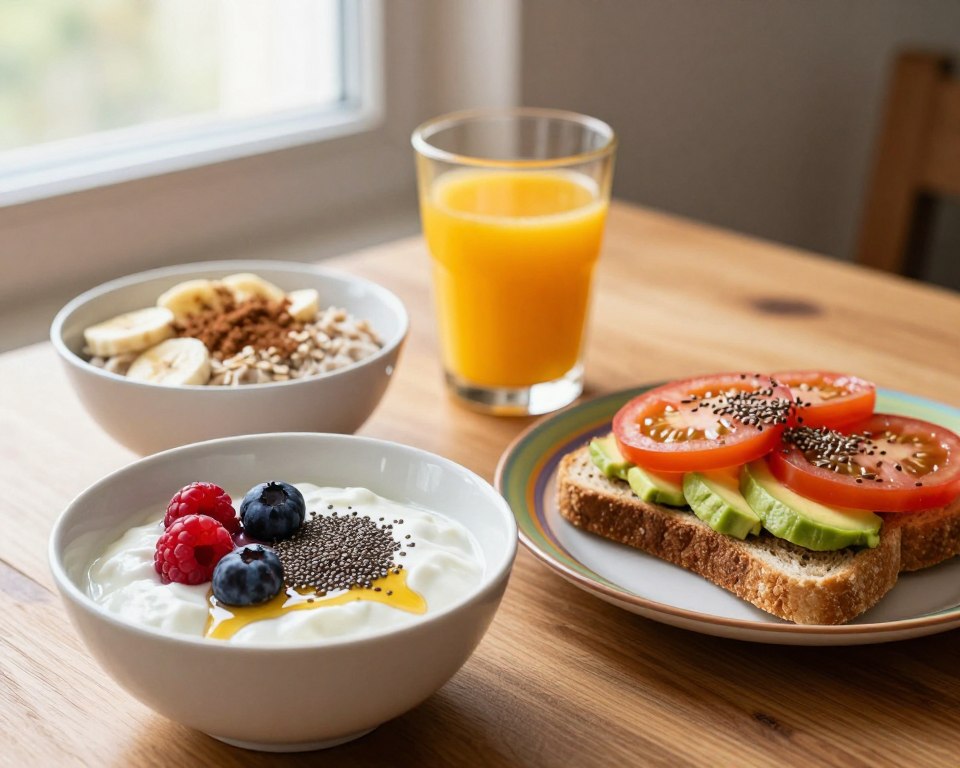
| Doručak | Zob + sojino mlijeko + maslac od kikirikija | 20–25 g |
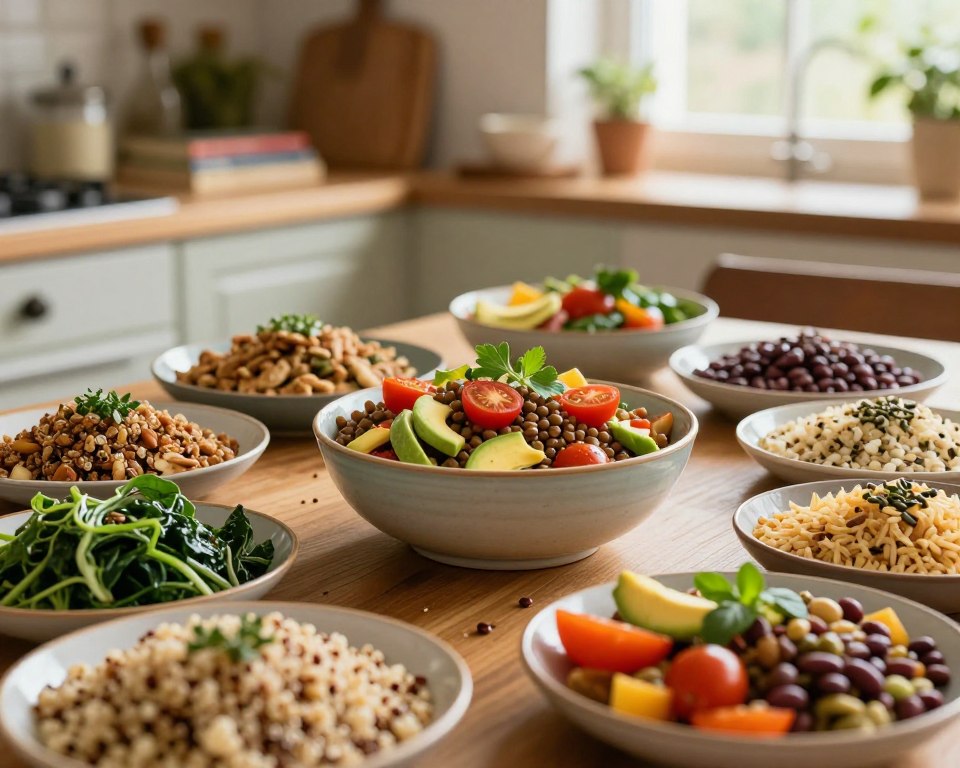
| Ručak | Zdjela leće + cjelovite žitarice | 20–25 g |
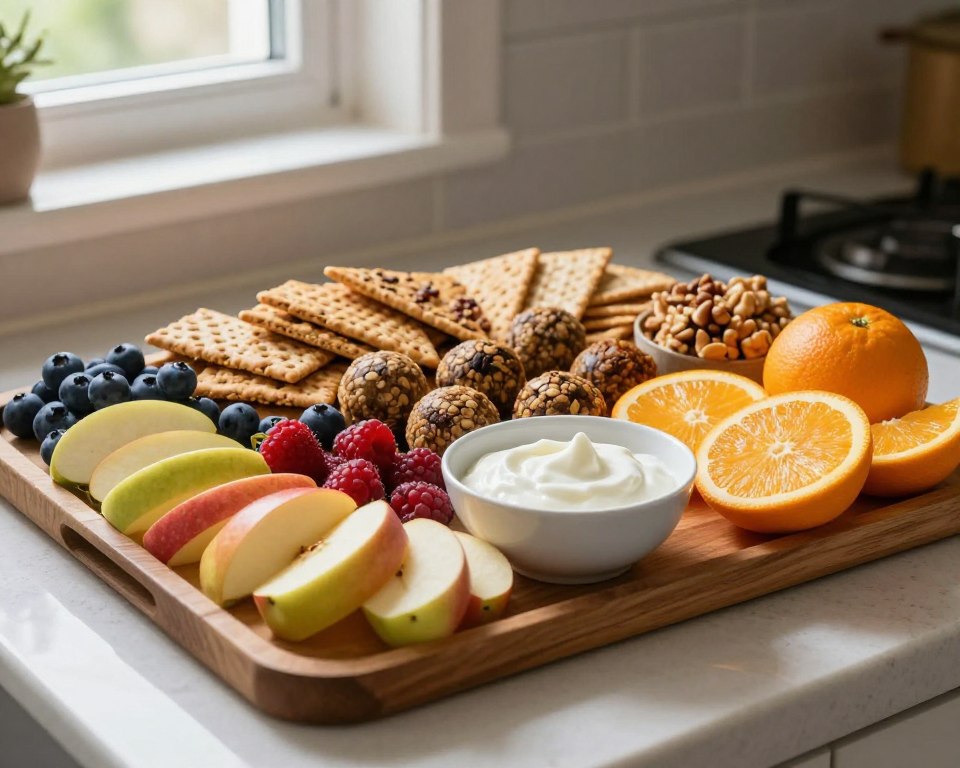
| Grickalica | Pečeni edamame ili sojin jogurt + sjemenke | 8–12 g |
| Večera | Prženi tofu s grahom | 25–30 g |
Obogaćena hrana i uobičajeni nedostaci
Planirajte unos vitamina B12, joda, željeza, kalcija, cinka i omega-3 masnih kiselina. Obogaćena hrana ili dodatak prehrani mogu sigurno popuniti praznine. Izbjegavajte oslanjanje samo na ultra-prerađene zamjene za meso - birajte minimalno prerađene izvore za bolji unos vlakana i hranjivih tvari.
„Koristite ponovljivu rutinu: jedite više cjelovitih namirnica, dodajte nekoliko zamjena za hranu s visokim udjelom proteina i prilagodite se gladi i treningu.“
Zaključak
Snažno, Sažetak: mali, ponovljivi potezi omogućuju vam da postignete velikodušnost protein zbrojevi bez dodatne buke.
S nekoliko pouzdanih proteini biljnog porijekla izvora i jednostavnih kombinacija, možete izgraditi dijetu s visokim udjelom proteina koja odgovara vašem budžetu i rasporedu.
Nadmašujući meso Ne radi se samo o gramima - mnoge od ovih namirnica dodaju vlakna i mikronutrijente koji podržavaju ukupnu zdravlje i potrebe vašeg tijela za popravak.
Ne brinite se zbog oznaka "kompletno"; raznolikost obroka prirodno osigurava potrebne aminokiseline. Korak korak: odaberite jednu novu namirnicu ovog tjedna (leću, tempeh ili kvinoju) i upotrijebite je u dva obroka.
Dugoročno planirajte tako da se usredotočite na minimalno prerađene namirnice, mudro koristite praktične namirnice i pokrijete praznine poput vitamina B12. Uz nekoliko osnovnih obroka i međuobroka, unosite velike količine dnevno. proteini postaje rutina.