Oglasi
You can cut losses and save time without adding stress. In the United States, roughly 30–40% of the supply is lost each year — about 133 billion pounds and $161 billion annually. That gap costs an average family of four roughly $1,500 a year.
This guide gives you a friendly, practical path to action. You’ll learn how mobile tools, AI, and IoT make it easier to match surplus with demand and stop perfectly edible items from being tossed.
Across the U.S., 12.8% of households faced insecurity in 2022, and a national goal aims to halve losses by 2030. Here you’ll see which solutions help you save money, connect with your community, and change daily habits so small moves add up in the real world.
Why food waste is a big deal in the U.S. right now
When supply outpaces demand, perfectly good items often end up in landfills. That loss is huge: about 30–40% of the national supply, roughly 133 billion pounds and $161 billion each year. Much of that ends up generating greenhouse gases and wasting the water and energy used in production.
The numbers hit home. The EPA estimates a typical family of four loses around $1,500 each year from tossed groceries. In 2022, 12.8% of U.S. households faced insecurity at some point, even as edible items went unused.
Oglasi
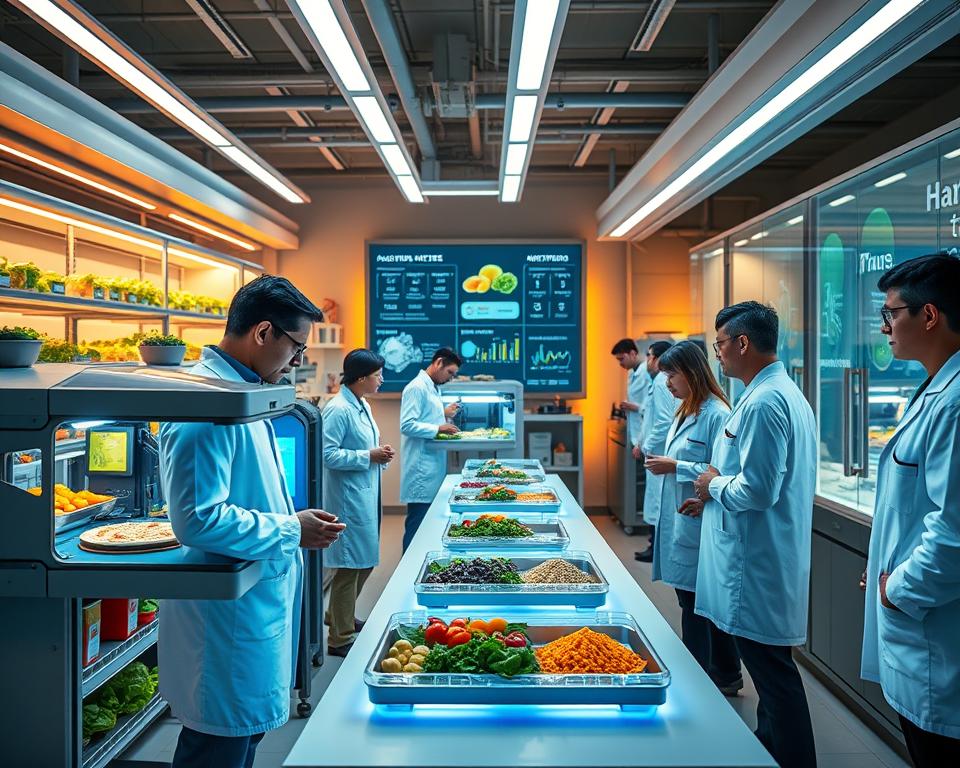
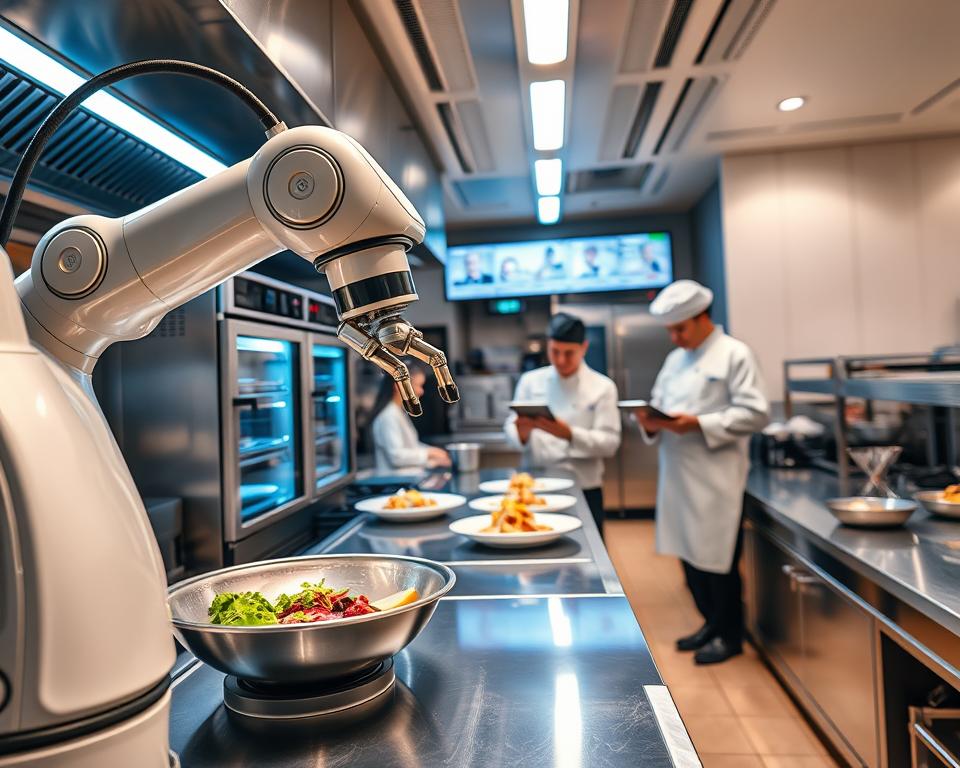
Tehnologija now helps bridge the gap between surplus and need. Mobile, AI, and IoT tools improve inventory tracking, clarify dates, and match supply with local demand so less is thrown away.
- See how national figures connect to your budget and daily choices.
- Understand how smarter inventory and clearer dates keep more items in circulation.
- Learn how community-level solutions turn surplus into access, not landfill.
To learn more about national strategies and partners working to halve losses by 2030, check the national resource hub for data and practical tools you can use today.
The best food waste reduction apps to try today
Try these popular tools to turn leftover ingredients into quick meals and deals.
Too Good To Go lets restaurants, cafes, and bakeries sell “magic bags” at a discounted price. Registration is free and you can set dietary needs. It’s a simple way to keep good products from being thrown away while supporting local stores.
Flashfood connects you to participating supermarkets so you can buy surplus grocery items for up to 50% off. Note: a clear 5% service fee applies at checkout.
- Olio — Share unwanted items with neighbors; volunteer options and a paid supporter tier for faster alerts.
- NoWaste — Scan receipts and barcodes to track items, set expiration reminders, and plan meals.
- Nosh — AI tracks buying habits, suggests recipes, and builds shopping lists; tens of thousands of items saved.
- Kitche — Filter thousands of recipes by what needs using; receipt scanning and expiration prompts.
- Oh A Potato — Scan up to four items with your camera to get recipe ideas and grocery lists.
- Karma — Pick exact surplus meals from restaurants and wholesalers; millions of meals rescued.
FoodCloud helps businesses upload unsold products so charities can collect them. This moves surplus from stores to people who need it fast.
Brza hrana za van: use deal-based platforms for fast savings, and inventory or AI tools to track items in your fridge and plan recipes. Together, these services help you save money, build better habits, and keep more edible products in circulation.
How to choose the right app for your habits and goals
Picking the right tool depends on how you shop, cook, and want to save. Start by naming your top goal: quick savings or better at‑home systems. That will narrow your options fast.
If you want to save money fast: surplus deal tools near restaurants and supermarkets
Too Good To Go, Flashfoodi Karma let you snag discounted meals or grocery finds near a store or restaurant. Flashfood can cut prices by up to 50% (note the 5% service fee), while Karma lets you pick exact meals.
If you want to waste less at home: inventory, expiration, and recipe planning tools
NoWaste, Nosh, Kitche, and Oh A Potato focus on tracking dates, building lists, and turning leftover ingredients into recipes. Choose an app with barcode scanning and clear expiration nudges if you forget what’s in the fridge.
- Match features to habits: strong reminders if you forget items; easy recipes if you enjoy browsing meals.
- Consider control vs. surprise: pick Karma for choice or Too Good To Go for value and surprise bags.
- Počnite s malim: try one tool to save money or organize your kitchen, then add another when you’re ready.
Beyond apps: smart ways to reduce food waste at home and in your community
You don’t need tech alone—simple habits at home and local partnerships stop perfectly good items from being discarded. Start by learning label meanings so you don’t toss items early.
Read dates right: sell-by, best-by, and expiration labels without the confusion
Sell-by helps stores rotate stock. Best-by signals peak quality, not safety. Expiration or use-by dates matter most for safety on perishable products. When in doubt, check smell, texture, and appearance before tossing.
Buy and cook the “ugly” produce to cut waste and reduce price
Choose misshapen produce at a lower price to help your grocery budget and keep edible items in circulation. Cook simple recipes that use imperfect fruits and vegetables to stretch meals and save money.
Donate, compost, and use technology like AI and IoT to track and reduce waste
Donate surplus to local groups; many businesses gain tax benefits while helping people in your community. Start a home compost or join a municipal program to turn scraps into soil.
- Keep a short inventory note so you see what needs using soon.
- Set reminders for expiration checks before big shopping trips.
- Use AI and IoT where available to forecast needs and cut overproduction.
Small changes add up: cook one use‑it‑up meal weekly, talk with local businesses about donations, and celebrate the savings and community impact you create.
Zaključak
Taking one simple step today—like choosing a kitchen organizer or a meal‑rescue tool—makes a measurable difference over time.
U.S. initiatives aim to halve losses by 2030, and the tools covered here help you align surplus with need. Start with one app that fits your routine and build one easy habit: keep a short list of ingredients you already have and use items before they hit expiration.
If you feed a family, set shared reminders so everyone helps finish what’s open. Track food in your fridge, plan quick meals around what you rescue, and rotate a few favorite lists to save time and save money.
For context on studies and design features that shape real results, see larger studies and program results. The most important step is the first one you take today—users who keep it simple see steady gains for their household and community.