Anúncios
Have you noticed your daily meals shift as your commute, workday, and apps shape what and when you eat?
You live a faster life now. Urbanization and packed schedules change your food choices and when you pause to eat.
More people reach for ready-made meals, takeout, or home versions of street food to balance speed and taste. Research shows some swap a sit-down dinner for a bigger late-afternoon snack to ease mental load and fit work rhythms.
In this article, you’ll connect the dots between city routines and the simple choices you make at noon and after work. You’ll also learn practical ways to keep flavor, nutrition, and time in balance.
Read on to find quick strategies for better meals on the go, smarter delivery choices, and small changes that fit your lifestyle and areas where you live.
Anúncios
What “urban eating styles” mean for you right now
How you plan meals now often bends to meetings, commutes, and digital options. That shift means flexible eating windows, portable food choices, and faster decisions tied to your day.
You might swap a full sit-down meal for a bulkier late‑afternoon snack to cut evening prep. Delivery apps, meal kits, and quick counters push you toward grab-and-go options when work runs long.
Keeping ready-to-eat products on hand helps bridge gaps between meetings and workouts. These products often sit beside homemade dishes that mimic popular street items, giving you variety with less time spent cooking.
The present-day forces reshaping your plate
Tech, pace, and city access nudge your food choices. You balance taste, budget, and the desire to feel good after you eat.
- Flexible windows: eat when your schedule allows.
- Portable foods: easy to carry and quick to heat.
- Blended habits: delivery and home cooking coexist.
In the short term, these shifts change how you shop, what products you buy, and which choices feel sustainable as your workload changes.
The workday squeeze: time, commuting, and your eating habits
Packed calendars and commutes squeeze the minutes you once gave meals. When your workday is full, you push lunch later, stack snacks, or swap a cooked dinner for a quick bite.
In some Moroccan cities, women report about 2 hours 26 minutes a day on meal tasks while juggling jobs. That reality leads people to buy takeout, freeze portions, or outsource steps like bread buying to save time.
How back-to-back meetings shift meal timing and preparation
Small shifts make a big difference. Short prep routines, a larger afternoon snack, and frozen batch meals keep your energy steady. Think travel-friendly food that reheats fast and a “backup plate” for sudden overtime.
- Plan snacks and quick proteins to avoid reactive grabbing between calls.
- Freeze batch-cooked items and outsource simple tasks when the day gets tight.
- Build micro-routines—refill water, prep a snack—to steady your energy across the day.
These practices reflect how urbanization and modern work compress time and reshape daily food choices for many people. Use small buffers in your calendar to protect meal moments and reduce friction between work and preparation.
Digital convenience, delivery apps, and restaurants in urban areas
Your mealtime choices often start with a tap on an app instead of a recipe card. Delivery services and meal kits give fast access to many cuisines. That changes how you spend your time and plan eating across the week.
Takeout, meal kits, and quick-service options redefining meals
Delivery apps let you order from local restaurants and quick counters in minutes. Meal kits cut shopping and speed prep on busy days. These options reduce kitchen hours and make certain products part of regular home rotation.
Weekday vs. weekend consumption in the city
On weekdays you often choose structured, fast decisions to fit work and school. Weekends become more flexible and social, so your consumption shifts toward relaxed meals and treats.
- Weigh when an app saves you time versus when a simple home fix saves money.
- Use kits during busy weeks and staples on calm days.
- Rotate a few trusted restaurants for consistency and try one new spot for novelty.
- Keep a short list of frozen bases and sauces to match takeout flavor at home.
Gendered mental load and household food practices in cities
Paid work often does not shrink the list of tasks at home. In many households, women still manage shopping, menu planning, cooking, and cleaning. Studies in Morocco show women spend about 2 hours 26 minutes daily on these duties even when employed.
When your job doesn’t reduce kitchen responsibilities
You may finish the office only to face another set of duties at home. That persistent mental load affects your time and your mood. It shapes how your family divides chores and how you plan meals.
Reorganizing meals to cut stress: the rise of substantial snacks
Many households expand the late‑afternoon snack—bread, msemen, pastries, and cheeses like The Laughing Cow or Kiri—to ease evening prep. A bigger snack can mean a lighter, faster dinner and less cooking stress.
Eating out as a relief valve for domestic workload
Weekends often become moments of relief: snack bars, pizzerias, and dairies give breaks from routine. Use eating out selectively to protect social time without making it a nightly default.
- Create a visible prep calendar so chores and preparation pass between people fairly.
- Keep staples on hand and mix ready-made with homemade to save time.
- Rotate tasks at home so your family shares the mental load and the benefits.
From dinner to snack: when late‑afternoon meals expand
The late-afternoon pause is turning into a main social moment for many homes. In Moroccan cities, that pause often looks like a fuller cascrot with breads, msemen, harcha, pastries, drinks, and spreadable cheeses.
This shift changes the sequence of consumption: the bigger plate reduces the need for a heavy dinner and lets families relax together earlier. Dinner often becomes lighter, using leftovers or quick fixes.
Bulkier “snack,” lighter dinner: what changes for nutrients and social time
Try these small adjustments to keep nutrition balanced and social life steady.
- Add protein and fiber to the snack—yogurt, nuts, beans, or cheese—for better evening satiety.
- Offer self-serve options so people honor personal preferences without chaos.
- Keep quick cold items ready at home so assembly takes minutes, not an hour.
- Set a clear time window for the snack to avoid late-night nibbling and to protect sleep.
Watch your evening energy and sleep to see if this timing fits you. When done well, the larger afternoon plate can boost social connection while keeping overall nutrition on track.
Processed foods vs. whole foods: health trade‑offs you navigate
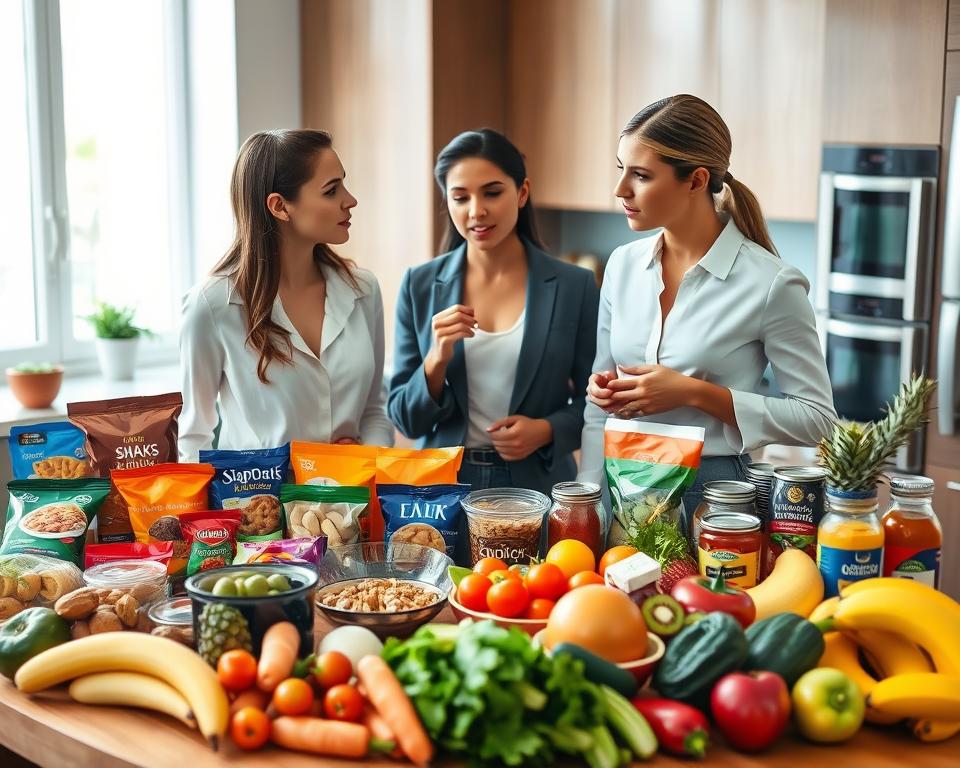
Quick meals save time, yet they can shift calories and nutrients without you noticing. You’ll weigh processed foods that cut prep against whole food that gives fiber, vitamins, and steady energy.
Portion sizes, added sugars, and fats in the city diet
Urbanization has nudged many toward larger portions, more fatty options, and frequent takeout. That pattern raises risks for noncommunicable diseases—cardiovascular problems, diabetes, and some cancers—which together cause about 41 million deaths each year.
Bringing back fruits, vegetables, and fiber for balance
Prioritize whole grains, beans, vegetables, and fruits to counteract high-calorie choices. Aim for a mix near 50–60% complex carbs, 10–15% protein, and 20–30% fat.
- Watch added sugars and excess fats that increase daily consumption.
- Swap sugary drinks for water and fries for a salad to reduce obesity risk.
- Choose convenient items with clear labels when whole food prep isn’t possible.
Small swaps, steady hydration, and 30–45 minutes of movement help your health and nutrition without losing convenience.
urban eating styles: how trends, social media, and culture shape choices
A viral reel or blog post can make unfamiliar flavors feel familiar overnight. Social media drives discovery of new foods, diet fads, and fusion ideas that shape what you choose.
Your habits shift when restaurants and brands use bold visuals, health claims, and social proof. That mix nudges your food choices toward superfood headlines, high‑protein products, or global mashups.
Influencers, viral foods, and the appeal of fusion cuisines
Use trends, don’t let them use you. Spot what fits your schedule and budget before you order. Read labels and check how a new item matches your daily eating and nutrition goals.
- You’ll notice influencers nudge many people toward the latest food choices and formats.
- Filter trends through your habits so novelty doesn’t derail a steady routine.
- Try fusion foods that match your preferences and are easy to repeat at home.
- Assess bold product claims—check labels and decide if they suit your day.
Keep a few trusted sources for reliable takes and anchor your way of eating with basics. That lets you sample new foods while staying practical about time, cost, and availability.
Plant‑based, functional, and sustainable options gaining ground
Plant-forward choices are moving from niche menus into your weekly rotation. You’ll find meat alternatives like Beyond Meat and Impossible Foods at grocery aisles and many restaurants. These swaps make it easier to test a plant-based day without long recipes.
Functional foods—probiotic yogurts, fermented drinks, turmeric blends, and adaptogen products—aim to support digestion and recovery. Add a probiotic option a few times a week to see how it fits your routine.
- Try meat alternatives at home and out to expand weeknight foods.
- Scan ingredients to avoid excess additives and favor clear labels.
- Pair plant proteins with fiber-rich sides and healthy fats for balanced nutrition.
- Choose products with transparent sourcing and credible certifications.
Eco-conscious packaging is rising too. Look for biodegradable wraps, refill stations, and small reuse habits that work in city life. Bookmark a few practical articles so you can compare products and make choices that fit your budget and lifestyle.
Work, age, and status: how professional life stage affects your diet
Your job phase and family role shape the tiny choices you make about meals each day. As roles shift, priorities like convenience, cost, and social time move up or down your list.
Interviews in Moroccan cities with women aged 25–45 show clear patterns. Younger people often choose quick solo options when their schedule is flexible. As age and status change—promotion, parenting, travel—you adapt by outsourcing more meals or freezing batch dishes.
Set simple defaults that match your current phase. If travel spikes, favor portable backups. If you gain more family duties, plan takeout nights or keep prepared bread and staples on hand.
- Build anchors like breakfast or a midday protein to steady your routine.
- Plan backup meals for unpredictable days so you avoid reactive choices.
- Coordinate with other people at home so one person’s availability doesn’t determine the whole meal plan.
Track how your priorities evolve—budget, convenience, or social meals—and decide when to cook and when to outsource. For more on how time use shapes meal timing and outsourcing, see meal timing and outsourcing.
Smart strategies you can use at home and at work
A few smart habits let you eat well without adding chores to your schedule. Use short prep windows and simple defaults so good choices feel natural.
Planning, prep, and “eat at home like outside” without the excess
Batch key preparation: wash greens, cook grains, and portion proteins once or twice a week. That saves time and keeps meals quick on busy nights.
Recreate favorites with lighter sauces and more vegetables to match takeout flavor while controlling portions and ingredients.
Simple, balanced plates across food groups during a busy day
Assemble plates that include all four groups: cereals/millets/pulses; fruits/vegetables; milk/animal foods; and oils/fats/nuts.
- A whole grain base, a lean protein, colorful vegetables, and a small healthy fat.
- Aim for ~50–60% complex carbs, 10–15% protein, 20–30% fat to hit basic nutrition targets.
Hydration, short movement breaks, and realistic consistency
Set water cues—after a meeting or commute leg—and add 30–45 minutes of moderate activity across the day to boost digestion and focus.
Keep it realistic: repeatable breakfast defaults, a go‑to lunch bowl, and a quick‑swap list let you pivot without losing balance.
Restaurants and neighborhoods: navigating urban food environments
Neighborhood corners and quick counters shape many of your midday choices. In Moroccan cities, out‑of‑home consumption has grown with snack bars, pizzerias, dairies (mahlabat), and mobile outlets. These spots sell quick items and fresh juices that attract families and youth.
Large portions and richer offerings can raise your calorie intake unless you balance them with fruits, vegetables, and fiber. When you pick a restaurant, scan the menu for grilled options and vegetable add‑ons.
Choosing better at quick-service spots and local outlets
Easy rules help:
- Scan menus for balanced options—add vegetables, choose grilled foods, and right‑size your meal.
- Ask for ingredient swaps to trim excess oils and sugars without losing flavor.
- Use different areas to match goals: fresh juices in one spot, hearty bowls in another.
- Split portions or pack part of the meal to keep consumption aligned with your plan.
- Pick sides that add fiber and color to round out what you’re eating.
- Compare similar spots across areas to find the best value and quality for your regular orders.
- Check how ingredients are prepared so foods arrive fresher and less heavy.
- When pressed, follow a simple rule—vegetable add‑on + lean protein—and choose water or unsweetened drinks most of the time.
Small, consistent choices add up. Even when you eat out often, these swaps protect nutrition and keep your routine practical.
Conclusion
Small shifts in schedules and services have quietly remade how you feed yourself each day.
You’ve seen the clear changes in when and what people eat, from larger afternoon snacks to lighter dinners and more app-led orders. Use that view to shape your routine, not the reverse.
Keep simple moves: pick whole fruit and fiber, hydrate, add short movement, and choose takeout that fits your goals. These choices protect nutrition and make daily habits easier to keep.
Share tasks at home, favor repeatable defaults, and adapt across the years so your lifestyle stays balanced. Return to these articles when your schedule shifts for practical tips and a range of small, joyful changes.