Anúncios
Can a busy kitchen save money and boost flavor simply by using what’s already on hand?
You’ll find out how small habits change results fast. Chefs now treat every peel, trim, and leftover as an ingredient, not trash. They store produce smartly, plan portions, and turn extras into specials that sell.
This approach, called zero-waste cooking, mixes smart inventory, clear SOPs, and creative menu design. You’ll learn ways to stretch food, cut ordering pressure, and keep plates consistent during service.
Staff learn where ingredients live, how long they last, and which meal or prep they serve. Kitchens that adopt these tips save money and reduce clutter, while keeping guests happy.
Want practical tools? Explore tools for inventory and recipe management like mastering zero-waste techniques to make these ideas routine.
Anúncios
Key Takeaways
- Use every part of ingredients to boost flavor and cut costs.
- Labeling, portioning, and rotation turn intent into action.
- Menu flexibility lets you substitute based on what must be used first.
- Turn trim and surplus into sellable specials to improve profit.
- Track inventory and prep in near real-time to avoid overproduction.
Why Zero Waste Cooking Matters in a Professional Kitchen
In busy kitchens, every peel and pan scrap hides value you can turn into profit. You lose money and time when trims, overproduction, and forgotten items sit unused. In the UK, roughly a quarter of produced food ends up as loss—potatoes, bread, milk, poultry, and vegetables top the list—so prioritizing at-risk foods makes a measurable difference.
Practical gains are clear: repurpose a chicken carcass into rich stock, use cauliflower leaves with florets, or run fridge-raid recipes to finish odds and ends before they spoil. These small moves cut repeat buys and ease last-minute substitutions.
Operationally, aligning ordering and batch prep with actual meals sold reduces overproduction and keeps the line moving. Train each station to own a “use-first” list so staff know what must be used today.
- Reduce methane by diverting foods from landfill and simplify waste handling.
- Save money and time by turning scraps into broths, sauces, or specials.
- Prioritize rotation of potatoes, bread, milk, poultry, and vegetables into specials or staff meals.
Want a deeper playbook for professional kitchens? Read this concise primer on food management and strategy at food waste in professional kitchens.
Set Up Your Kitchen Systems to Reduce Food Waste
Start by organizing systems that make best use of what’s already on your shelves. Small, repeatable steps save time and money while keeping flavor high.
Build a live inventory and “use-it-up” bin
Create a living pantry list that updates daily so you plan meals from ingredients on hand. Add a visible “use-it-up” bin at the pass for items that must move first.
Label, date, and run FIFO
Label everything. Date leftovers, dry goods, and frozen packs. Use first in, first out as a daily step to keep food visible and prevent items from getting buried in the walk-in.
Dial in portions and track waste logs
Set portion standards per dish and keep a simple waste log. Track what gets trimmed or tossed so you can tune prep lists and reduce overproduction during service.
- Buy long-life pantry staples in bulk and store dry goods in clear containers.
- Cook weekly batches (rice, beans, stocks) and freeze portions for quick mise.
- Assign each station to flag aging ingredients for specials or staff meals.
- Plan one “buy nothing new” night to repurpose on-hand items into profitable plates.
Make sure staff use dating conventions and pull sheets across shifts. These simple systems extend ingredient life and keep your kitchen running cleaner and faster.
Preservation 101: Keep Ingredients from Going Bad
When you lock in peak flavor, you give your kitchen time back and cut losses. Good preservation keeps foods ready for service and makes your prep predictable.
Love your freezer. Freeze fruits, blanched vegetables, milk, yogurt, pesto, and stock in portioned trays so you can pull exact amounts during rush service.
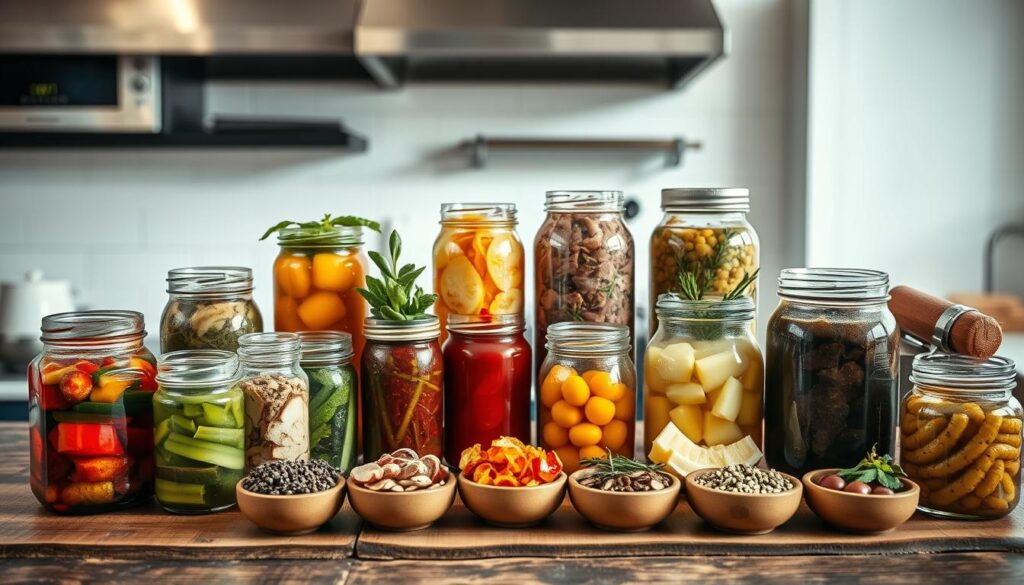
- You’ll stop ripening by halting produce in cold storage and extend ingredient life.
- Portion pesto, stock, and milk in ice-cube trays for fast, consistent topping or sauce-building.
- Dehydrate chiles into powder and apples into chips; a low oven works when a dehydrator isn’t available.
- Make refrigerator pickles for quick turnover and use water-bath canning for shelf-stable jars you can deploy in many recipes.
- Cook jams from peak fruits and vegetables to capture flavor and keep them usable for months.
“Plan preservation days on slower shifts—transform items at risk into future-ready building blocks.”
Track what preserves best for your volume, rotate preserved items into specials, and document yields to forecast ordering. These simple ways make menu planning easier and reduce kitchen waste while keeping flavor front and center.
Use Every Part: Stocks, Purees, and Flavor Infusions
Turn kitchen scraps into consistent flavor by saving and staging them for stock, purees, and infusions. You’ll use every part of produce and bones to stretch ingredients and lift menus.
Collect clean peels, herb stems, and carrot tops in a labeled freezer bag. Wash visible dirt off scraps before freezing, then cook in batches and strain for a clear stock that becomes the base of sauces and grains.
Make a reliable base
- You’ll save onion and garlic peels, herb stems, and roasted bones for stock and broth—wash first and strain after simmering.
- You’ll add beans or other plant bases to give body and vegan options without extra purchases.
- You’ll batch, portion, and label yields so the line pulls consistent amounts every service.
Purees, fruit leather, and infusions
Puree overripe bananas, berries, or squash into freezer-ready bases or dehydrate into fruit leather for toppings and sauces.
- You’ll infuse olive oil, syrups, or teas with mushroom stems, apple peels, or corn silk to extract delicate flavor.
- You’ll set SOPs: accept only clean, non-rotten scraps and compost spent material after extraction.
- You’ll document which parts give the best results and train staff to sort usable scraps from compost-only items.
“Collect with intention, cook with purpose, and the pantry grows richer.”
Zero Waste Cooking: Your Freezer-First Playbook
A well-stocked freezer becomes your kitchen’s most reliable flavor bank when you portion smartly. You save time and stretch food life by turning small bits into ready-to-use blocks. Freeze regularly during slow windows so prep supports service.
Freeze herbs in olive oil for ready-to-go flavor cubes
Chop herbs, pack into trays, and cover with olive oil. Freeze, then pop cubes into sautés, soups, and pan sauces to add instant depth.
Portion sauces, tomato paste, broths, wine, and citrus in ice cube trays
Portioning keeps consistency across meals. Use small cubes of broth, tomato paste, or wine to boost sauces without opening new jars.
Save greens and bananas: smoothie cubes, sautés, and “nice cream”
Blitz wilted greens with water into smoothie cubes. Peel and freeze overripe bananas for instant “nice cream” bases.
Label, date, and create a “use-first” bin to prevent forgotten foods
Label everything. Date trays, map your freezer, and keep a visible use-first zone so older items get pulled fast.
- You’ll standardize portions so cooks grab what they need.
- You’ll track fast-moving cubes and scale what sells.
- You’ll add flavor quickly while cutting prep time.
Turn Leftovers into New Meals Without Starting from Scratch
Turn last night’s pans into tomorrow’s bestsellers with simple, fast transforms. You only need a few flexible builds to convert chilled bits into reliable plates that taste fresh.
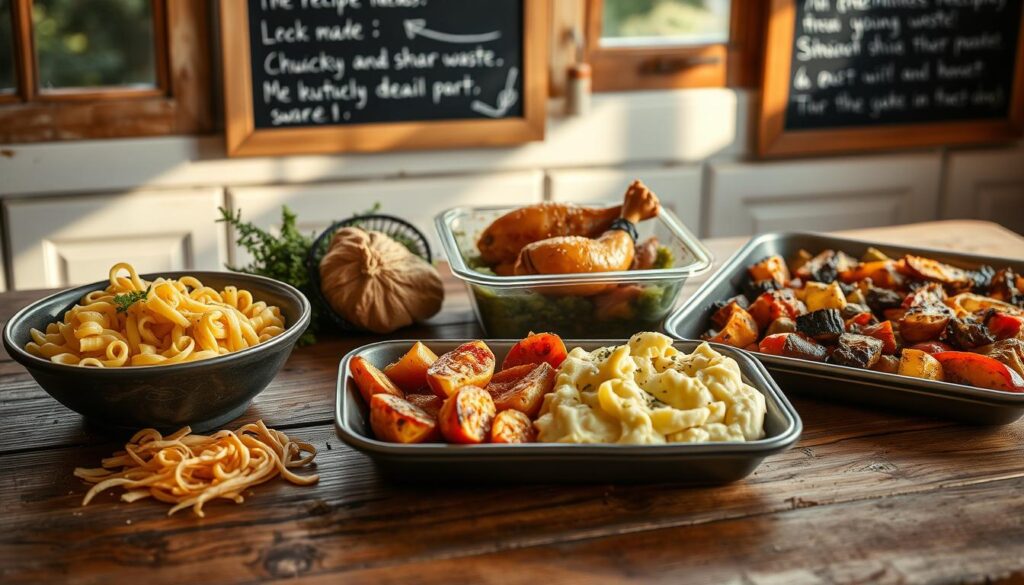
Fridge-raid dishes like fried rice, one-pan pesto pasta, Thai curry noodle soup, or bibimbap use mixed veg and scraps with little prep. Roast chicken carcasses become deep stock. Overripe produce blends into sauces or purees that lift a dish.
Smart uses for stale bread and pantry odds
Stale bread turns into croutons, breadcrumbs, or a sweet/savory bread pudding. These small shifts prevent usable food from becoming waste and add texture or comfort to the menu.
Stretch proteins and boost yield
Mix mushrooms, lentils, and beans to stretch proteins and protect your money margins. Save aquafaba or bean broth to emulsify a sauce and make finishes silkier without extra cost.
- You’ll set a daily fridge-raid ritual to move mixed veg into sold meals.
- You’ll create flexible recipes that invite swaps based on what must be used now.
- You’ll rotate leftovers into specials and staff meals so nothing sits too long.
“Get creative with garnishes and condiments to refresh a repeat dish.”
Root-to-Stem Cooking for Fruits and Vegetables
Simple shifts—like ricing cores and regrowing herbs—keep more ingredients in play. Treat stems and cores as flavor drivers so your team can stretch produce and lift dishes without extra buys.
Riced cores and stem slaw
Rice cauliflower cores to bulk sides or mix into patties. Shred broccoli stems into a crisp slaw that adds fiber and crunch.
You’ll find these techniques make vegetables yield more portions while adding texture to plates.
Regrow herbs and scallions
Place scallion roots and herb cuttings (basil, mint, cilantro) in jars of water on a sunny sill. You’ll extend ingredient life and cut reordering on small herbs.
Smart storage and prep
Wrap celery in foil to keep it crisp for weeks. Wash berries in a 3:1 water-to-vinegar bath to slow mold and extend shelf life. Prep greens ahead so cooks grab, toss, and plate fast.
- You’ll rice cores and shred stems so vegetables yield more portions with great texture.
- You’ll regrow scallions and some herbs on the sill to extend ingredient life.
- You’ll wrap celery in foil and vinegar-wash berries to slow spoilage and reduce waste.
- You’ll prep greens in advance so cooks grab, toss, and plate quickly.
- You’ll use every part that’s edible—stems, peels, and seeds when appropriate—to add crunch or aroma.
“Teach teams to save what adds flavor and toss what harms quality.”
Quick tip: Keep a simple list of which parts perform best raw versus cooked. These small ways make it easy to use every part and cut food loss while boosting kitchen creativity.
Composting and Landfill Diversion in Your Kitchen
Simple routines for sorting and storing scraps make composting work in any busy kitchen. When you move food out of the trash stream, you cut methane emissions and protect your bottom line.
Freeze compost scraps to avoid odors and make drop-offs easy
Stash peels and plate trim in a sealed container in the walk-in freezer. This prevents smells and fruit flies, and it makes pickups or drop-offs simple on a set schedule.
Divert waste from landfill to support sustainability goals
Diverting food waste saves money and time. Document local hauling rules, align pickups with prep, and track diversion metrics so you can show clear wins.
Train staff on sorting, signage, and bin placement
Set clear signs, place bins where prep and dishwashing flows naturally, and teach the step-by-step process for what goes where. Quick-reference cards help new hires follow standards from day one.
- You’ll freeze compost scraps to prevent odors and pests.
- You’ll set sorting rules so composting, recycling, and landfill streams stay clean.
- You’ll schedule audits and align pickups with prep to keep bins from overflowing.
“Diverting food from landfill reduces methane and strengthens your kitchen’s sustainability story.”
Conclusion
Turn lessons into routine steps so your line uses parts and scraps with intent.
Codify these tips into SOPs: confirm a use-first bin, label and date, rotate stock, and plan a staff meal each shift. Scale up stocks and broth from trim, portion and freeze so the line pulls the right bit every service.
Weave seeds, peels, and stems into condiments and finishes to add flavor and help you save money. Use beans and greens to stretch proteins and build hearty meals that feel new, not recycled.
Keep a living list of recipes that turn leftovers into fresh dishes, track food waste and wins weekly, and commit to one small change each week.
FAQ
How can professional kitchens set up systems to reduce food waste?
Start with a live inventory and a “use-it-up” bin so you plan meals around what’s on hand. Label and date everything, use FIFO (first in, first out), and dial in portion sizes. Track waste daily with simple logs to spot trends and save time and money.
What preservation methods help keep ingredients from going bad?
Use the freezer to slow ripening: batch-freeze pesto, stocks, milk, and blanched vegetables. Dehydrate items like chiles and apples, make quick refrigerator pickles or water-bath can for shelf-stable jars, and cook jams to capture peak fruit and vegetable flavor.
How do you make useful stocks and flavor infusions from scraps?
Save clean onion and garlic peels, herb stems, carrot tops, and roasted bones or veg scraps to simmer into stock. Puree overripe fruit or veg and freeze or dehydrate it, and steep peels and stems in olive oil, syrups, or tea for concentrated flavor.
What are practical freezer-first strategies for busy kitchens?
Freeze herbs in olive oil as flavor cubes, portion sauces, tomato paste, broths, and wine in ice trays, and make smoothie or sauté cubes from greens and bananas. Always label, date, and keep a “use-first” bin so items aren’t forgotten.
How can you transform leftovers into new meals quickly?
Fridge-raid fried rice, one-pan pesto pasta, and soups or stews are fast ways to combine mixed veg and scraps. Use stale bread for croutons, breadcrumbs, or bread pudding, and stretch proteins with mushrooms, lentils, or beans while saving aquafaba for sauces.
What does root-to-stem cooking look like for fruits and vegetables?
Turn cauliflower cores into riced cauliflower and make slaw from broccoli stems. Regrow scallions and herbs on a windowsill, and store produce smartly—foil-wrapped celery, vinegar-washed berries, and prepped greens to extend shelf life.
How should a kitchen handle composting and landfill diversion?
Freeze compost scraps to control odors and make drop-offs easy. Divert organics to compost to cut methane emissions and meet sustainability targets. Train staff with clear signage and properly placed bins to ensure compliance.
What small tools and habits give the biggest impact on reducing food loss?
Keep simple tools like scales, portioning scoops, airtight containers, labels, and trays handy. Make daily checks of the walk-in, run regular inventory reviews, and encourage staff to record leftovers and trim for stock—consistent habits beat rare grand gestures.
How do you make the most of herbs, peels, and stems for flavor?
Freeze herbs in oil, infuse olive oil or simple syrup with peels and stems, and dry or candy citrus peels. Those parts add aroma and depth to sauces, dressings, and sweets without extra cost.