Anúncios
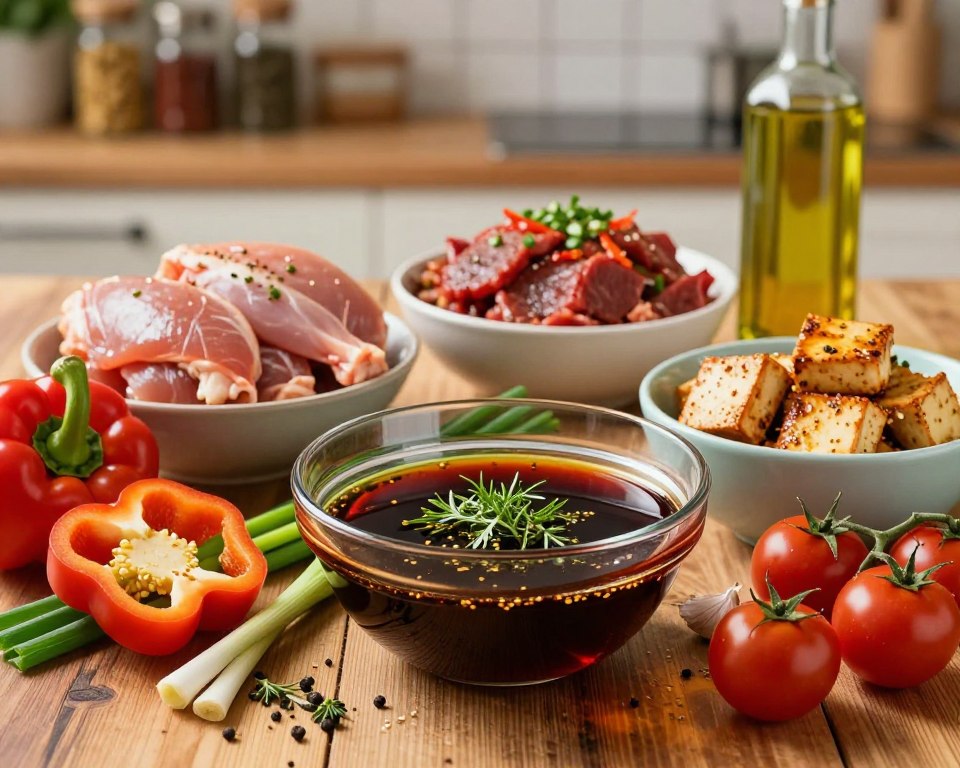
You’ll learn a clear, step-by-step process to build a strong foundation so your dish tastes intentional and balanced. Start by stacking simple elements—salt, fat, acid, heat—and add umami, sweetness, crunch, and spice to shape a memorable profile.
Small moves make a big difference. Sauté aromatics like onions and garlic in oil or butter to create a strong base. Use heat and timing to coax out aromas, and finish delicate herbs and bright acids at the end so they stay fresh.
Salt can boost sweetness and tame bitterness by changing how your taste receptors respond. Pressure cookers speed infusion for stews and braises, while a quick sear locks in texture. These choices let you lift everyday dishes into something top-tier without extra fuss.
By the end, you’ll have a repeatable framework to build flavors, adjust timing, and match technique to ingredients. Use it for weeknight dinners or a weekend project and watch your meals feel more than the sum of their parts.
What Flavor Layering Is and Why It Transforms Your Cooking
Flavor layering is the deliberate stacking of tastes, aromas, and textures so a meal feels cohesive instead of scattered.
Anúncios
Your choices shape how ingredients interact with your taste buds. Salt sharpens pleasant notes and tames harsh bitterness. That small move makes simple food feel balanced and more enjoyable.
The order and timing of additions matter. Long-simmered ingredients give background depth, while fresh herbs and delicate spices add lift when added at the end.
Use layers that serve the main ingredient. A few thoughtful steps—season early, boost with acid or herbs late—can turn an ordinary dish into one with a clear flavor profile.
- Define layers as tastes, aromas, and textures that work together.
- Let slow elements build subtle notes and last-minute additions provide clarity.
- Choose only the elements that support your main ingredient so the dish stays focused.
The Core Elements: Salt, Fat, Acid, Heat (Plus Umami, Sweetness, Crunch, and Spice)
Think of four building blocks—salt, fat, acid, and heat—that you can mix to shape any dish. Mastering these gives you a reliable way to make meals feel complete and intentional.
Salt and pepper are your base. Salt makes sweet notes brighter and tames bitterness. Crack fresh pepper for aroma and gentle heat that lifts other ingredients.
Fat and oil
Use butter, olive oil, or yogurt to add richness and a smooth finish. Fat carries garlic and herb aromas so each bite feels rounded.
Acid
A splash of lemon juice or a dash of vinegar brightens heavy elements. Use acid in a marinade for subtle depth or at the end for a lively punch.
Heat
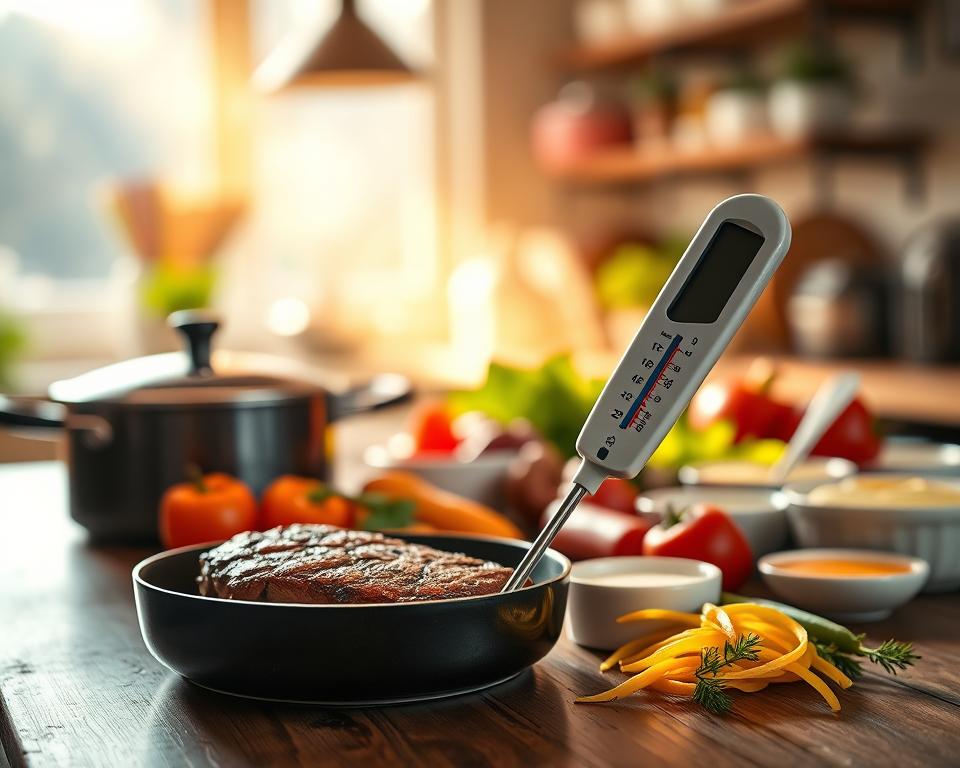
Searing, sautéing, or quick browning builds real depth through the Maillard reaction. Apply heat to develop texture while keeping the interior juicy.
- Umami boosters: tomato paste, soy sauce, mushrooms, Parmesan for savory richness.
- Optional touches: a little sweetness, a crunch, or a focused spice to balance contrasts.
- Herbs and spice: add chili, black pepper, or fresh herbs late so the layers stay clear, not muddled.
Techniques That Build Depth Fast: From Aromatics to Browning
Quick, targeted techniques can add real depth to a weeknight meal without extra effort. Use a few reliable moves at the stove to ramp up aroma and color.
Sauté aromatics to form the base
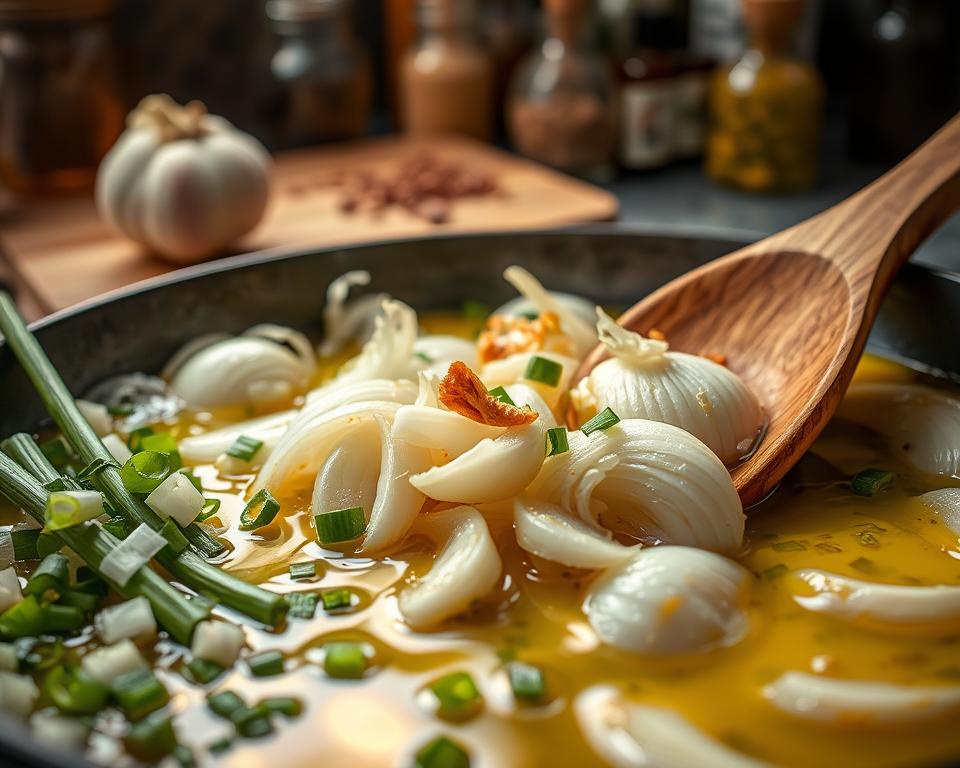
Sweat or lightly brown onions and garlic in oil or butter to start. This step releases sweet and savory compounds that make a solid base for the rest of the dish.
Caramelize and use the Maillard reaction
Give meat and vegetables space in the pan so they brown, not steam. Those toasty browning notes create new flavors and real layers of taste.
Bloom whole spices for more punch
Toast or bloom spices like cumin, mustard seed, and coriander in hot fat to wake up their aroma. This boosts potency before you add liquid.
Time dried vs. fresh herbs
Add dried herbs early to infuse depth and fresh herbs at the end to lift the final bite. A late sprinkle keeps bright notes intact.
- Avoid crowding: let ingredients sear to concentrate taste.
- Keep heat steady: protect aromatics from burning while coaxing color.
- Taste and finish: a quick re-bloom or herb scatter can complete the dish.
flavor layering cooking, Step by Step: Timing, Order, and Process
Begin with the main ingredient as your compass, and let supporting elements follow that lead. Pick one ingredient, then choose complementary ingredients that enhance its texture and taste.
Start with the main ingredient and build complementary ingredients around it
Decide whether your protein, vegetable, or grain needs bold or subtle treatment. Match herbs, spices, and fat so the dish feels focused, not crowded.
When to add salt: early seasoning, brining, and finishing with flaky salt
Season early for deeper penetration. For meats and fish, brine—wet or dry—to improve juiciness.
Finish with flaky salt at the end for crunchy, concentrated hits that lift each bite.
Acid at the end vs. marinating: different pathways to brightness
Use acid to marinate when you want gentle integration. Add lemon or vinegar at the end when you need a sharp pop that wakes up the whole dish.
Choosing the heat layer: sear, simmer, steam, or pressure cook
Pick the heat method that fits your goal: sear for crust and fond, simmer or braise for tender textures, steam for delicate results.
Pressure cooker advantages: infusing flavors quickly into stews and braises
Pressure cooking compresses time while forcing aromatics and spices deep into the ingredients. It’s a fast way to get rich, rounded flavors in a short time.
Order matters: aromatics and spices first, then liquids, then finishing touches. Keep an eye on time and taste between steps so the final dish feels balanced.
- Pick a clear main ingredient and support it.
- Season early, brine when appropriate, finish with flaky salt.
- Choose acid path and heat method to match your desired result.
- Assemble in logical order and taste as you go to balance flavors.
Layering Flavors in Real Dishes: Practical Combinations and Examples
Real dishes come alive when you arrange a few clear elements around a star ingredient. Below are small, repeatable combinations you can try tonight.
Simple win: broccoli with garlic and lemon
Sauté broccoli in oil with smashed garlic and a pat of butter for richness. Finish with a squeeze of lemon and a pinch of salt pepper to brighten the dish.
Balanced classic: caprese
Assemble tomatoes and fresh mozzarella, drizzle good olive oil, and season with salt. The mix of acid, fat, and herbs keeps this dish clean and satisfying.
Pantry-to-plate: chickpea salad
Combine chickpeas, cucumber, tomato, cilantro, capers, and a dash of za’atar or chaat spice. Toss with olive oil and lemon for a quick, versatile dish.
Protein play: grilled chicken ideas
Marinate chicken in spicy yogurt for tenderness. Finish with gremolata—lemon zest, chopped herbs, and raw garlic—to lift the meat.
“Try one template, then swap a vegetable or meat to make new combinations.”
- Use a splash of vinegar or citrus to sharpen heavy plates.
- Add toasted onions or quick-fried spices to deepen flavors without fuss.
Pro Tips to Taste and Adjust in the Moment
Train your tastebuds to speak up early: sample at steps so you steer the dish before the last minute. Tasting often keeps you from overcompensating and helps the whole flavor profile stay balanced.
Taste as you go: adjust salt, acid, fat, and spice gradually
Begin with small changes. Add a pinch of salt, then taste. Repeat in tiny steps until the dish feels right.
Use acid sparingly: a splash, taste, and repeat. Lemon or vinegar will lift heavy notes without making the plate sharp.
When richness feels flat, add a bit of fat to smooth edges. Add spice slowly so the heat grows, not overwhelms.
Finish strong: lemon zest, vinegar, fresh herbs, and cracked pepper at the end
Save heat-sensitive herbs and micro ingredients for the end so their aroma stays bright. A last squeeze of citrus or a quick drizzle of vinegar can change a good meal into a great one.
- Taste early and often so salt rises with the other elements, not in a jump.
- Protect the top notes: add herbs and cracked pepper at the end to preserve scent.
- Keep the profile steady: small fixes—fat to soften, acid to perk, salt to connect—make each bite intentional.
“Finish with confidence: a final taste and one measured tweak can lift the whole dish.”
For a deeper guide on balancing tastes as you adjust, see balance the five flavors.
Conclusion
A small set of deliberate steps will make your dishes feel intentional every time. Build a base with onions and garlic, develop depth through browning and toasted spices, then fine-tune with lemon juice, vinegar, fresh herbs, and salt pepper.
Every layer has a job: fat for richness, acid for lift, heat for transformation, and spice for character. Use pressure cookers when you need fast depth for stews and braises, and protect bright finishes at serving time.
Try simple examples—caprese, broccoli with garlic and lemon juice, or a chickpea salad—to practice the process. Trust your taste buds: taste, tweak, and repeat until the dish feels balanced and memorable.
Take this foundation as your way forward: the same framework works across meat, vegetables, and pantry ingredients, helping you make food that sings with clarity and depth.