Anúncios
Professional chefs use a simple approach to turn a bland dish into something memorable. By thinking about each ingredient and its role, they shape a clear flavor profile that makes dishes sing.
Understanding the art of balance helps home cooks rethink how they cook. Pay attention to taste, contrast, and texture to make meals feel complete.
Developing your taste buds is key. Tasting as you go teaches you when to add acid, salt, or sweetness to balance flavors and lift a recipe.
Focus on a few things: fresh ingredients, proper seasoning, and small adjustments. These steps create well-rounded dishes that delight the senses and boost your confidence in the kitchen.
– Chefs plan each component to improve a dish.
– Tasting often trains your palate.
– Small changes yield restaurant-quality results.
Anúncios
Understanding the Five Basic Tastes
Learning how sweet, sour, salty, bitter, and umami work helps you cook with purpose. These tastes are the tools chefs use to shape a memorable dish. Harold McGee notes that these five basic tastes form the foundation of how we perceive food and create a full eating experience.
Sweet and Sour
Sweet adds comfort and rounds sharp edges. Use sugar, maple syrup, or honey for gentle sweetness.
Sour brings brightness. A splash of lemon juice or vinegar can lift a salad or sauce in one quick move.
Salty and Umami
Salt sharpens tastes and highlights other ingredients. A dash of salt or a splash of soy sauce does this well.
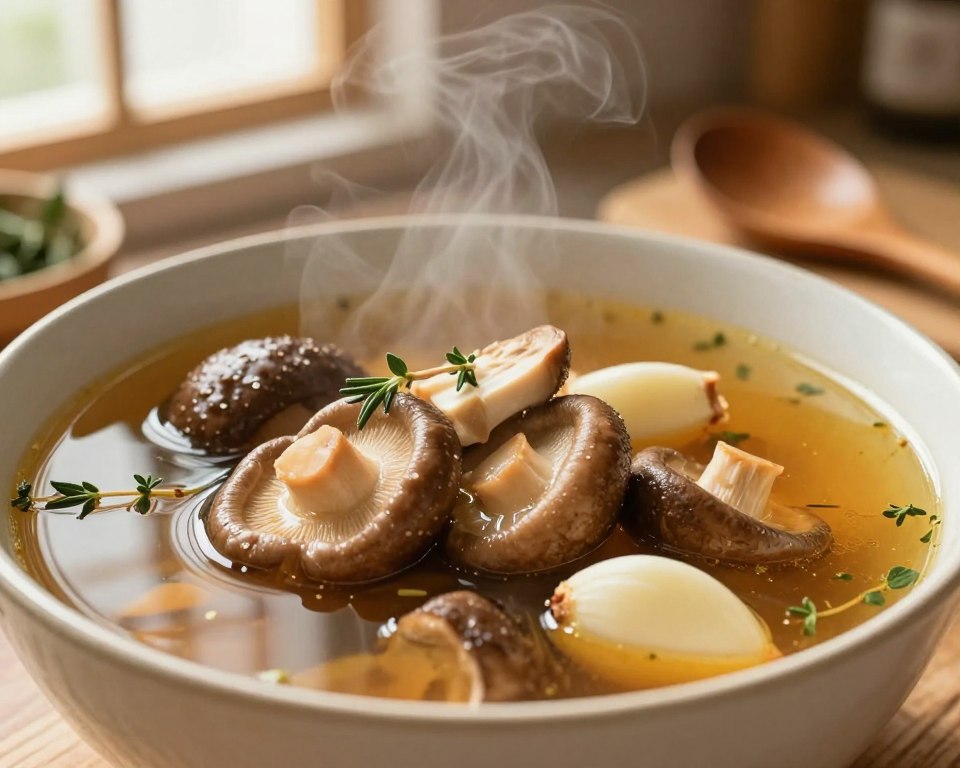
Umami gives depth. Mushrooms and aged sauces add that savory note many dishes need.
The Role of Bitterness
Bitterness asks for a light touch. Dark chocolate or coffee can add complexity, but use both sparingly.
Tip: Small additions of citrus or a sweet counterpoint help tame bitterness and improve overall balance.
- Use one acid to brighten.
- Add umami for depth.
- Sweeten gently to round edges.
Mastering Your Flavor Balancing Strategy
Small edits to seasoning can rescue a dish and teach you more than any recipe book. Taste early and often. A quick pinch of salt or a dash of sugar sometimes fixes stubborn bitterness and opens other tastes.
Use umami to give a dish weight. As Harold McGee notes, umami helps carry aromatic notes and adds heft to food. Add soy sauce or mushrooms to deepen the profile.
- Brighten with lemon or vinegar.
- Soften sharp edges with maple or maple syrup.
- Finish a sauce with a touch of salt to lift all the tastes.
Practice on simple recipes. Each attempt builds experience and makes it easier to judge what a dish needs. For more guidance on how to balance the five flavours, try that short guide and then apply the tips to your next meal.
Creating Contrast and Depth in Your Dishes
Small contrasts in texture and acid can turn a good dish into one that lingers on the tongue.
Balancing Texture
Crunch gives life to creamy items. For example, toss roasted nuts into a rich sauce or a silky pasta to add a bright bite.
A simple salad can become more memorable by pairing sweet melon with salty feta. This pairing shows how different tastes and textures lift a dish.
Using Acid for Brightness
A splash of lemon juice or a dash of vinegar awakens ingredients and sharpens the entire taste profile.
“Acid stimulates saliva production, which makes food feel more mouthwatering and enhances the overall flavor.”
Use soy sauce or a little vinegar in a sauce to add umami and acidity. A touch of salt and a pinch of sugar often complete the process and help tame any bitterness.
- Tip: Add one acid at the end to lift the dish.
- Tip: Combine crunchy and soft elements for depth.
- Tip: Small edits—lemon, soy, or nuts—change the taste quickly.
The Role of Herbs and Spices in Cooking
Herbs and spices are the quiet tools that bring depth and warmth to any dish.
Use fresh herbs like basil, parsley, and cilantro near the end of the cooking process to keep bright notes. Dried herbs, by contrast, need more time in the pan to soften and mellow.
Moderation and Timing
Start small. A little turmeric or cumin adds warmth without stealing the whole flavor profile.
Add a touch of soy sauce or a splash of vinegar at the right moment to lift a sauce or meat. A squeeze of lemon or a pinch of sugar at the end can tame bitterness and adjust acidity.
- Season with salt gradually and taste as you go.
- Use dried herbs during long simmering in the cooking process.
- Finish with fresh herbs to refresh tastes and add color.
Tip: Treat herbs and spices as supporting ingredients. The right timing gives each dish a clear identity without overwhelming other tastes.
Adjusting Seasoning During the Cooking Process
Taste often while you cook; small nudges change a dish more than big rewrites. This habit keeps each ingredient honest and helps the overall flavor come together.
Start slow with salt. Mark Bitterman, author of Salted, urges cooks to add salt with finesse. A little goes a long way and you can always add more.
“Use salt with finesse to boost a bland dish.”
If a dish needs depth, add umami. Try a splash of soy sauce or a quick grating of cheese. Mushrooms also deliver weight without heaviness.
For brightness, finish rich soups or sauces with lemon juice or a dash of vinegar. A touch of sugar can tame bitterness in small doses.
- Taste the dish at key moments during cooking.
- Add salt and other ingredients gradually.
- Use acid or umami to rescue a heavy profile.
Tip: Practice this way and your experience will shorten the time it takes to judge what a dish needs.
Exploring Cultural Flavor Profiles
Across the world, cooks shape tastes by pairing local ingredients and time-honored techniques.
Maria Speck reminds us that a recipe is a template, not a rule. Use that idea to explore how a single dish can shift with one change.
Thai food is a clear example of how spicy, sour, sweet, and salty tastes meet in one plate. Indian recipes show how layered spices create a complex profile that evolves with each bite.
Try a simple salad to learn. Swap an ingredient, add a squeeze of juice, or a splash of sauce to study how salt or umami changes the whole dish.
“Recipes are guides; your palate makes the final call.”
Tip: Taste with curiosity. Small tests of global dishes give you practical ways to improve your own food and understand what each component does.
- Cook one dish from a different cuisine.
- Note which tastes shift the profile fastest.
- Adapt those ideas to your favorite recipes.
Conclusion: Developing Your Culinary Intuition
Cooking becomes clearer when you trust what your taste buds tell you. Keep tasting, note small changes, and give yourself the time to learn.
Developing this skill is an art that improves with steady practice in the kitchen. Each meal is a chance to gain experience and refine your sense of balance.
Quality tools help. Wilmax, near Philadelphia, knows that good equipment makes it easier to reach the right results in your food and sauce.
Follow these tips, trust your buds, and keep experimenting. The more you cook, the more confident you become at balancing tastes and creating dishes you love.